About Us
綠色消費者基金會是1990年發起地球日,和1992年台灣環保團體參加地球高峰會後決定成立的基金會,推動綠色消費運動。天地和氣股份有限公司是因綠色消費者基金會倡議環安、農安、食安而設立的營利機構,開發「努力小農 App」,並從事國際自願性減碳專案,幫助小農取得國際碳權認證,實踐永續發展目標。
Google Translate
網頁由Google自動翻譯內容不準確之處請多包涵


種碳文摘/Carbon Farming Digest 第7期・秋分|節氣專文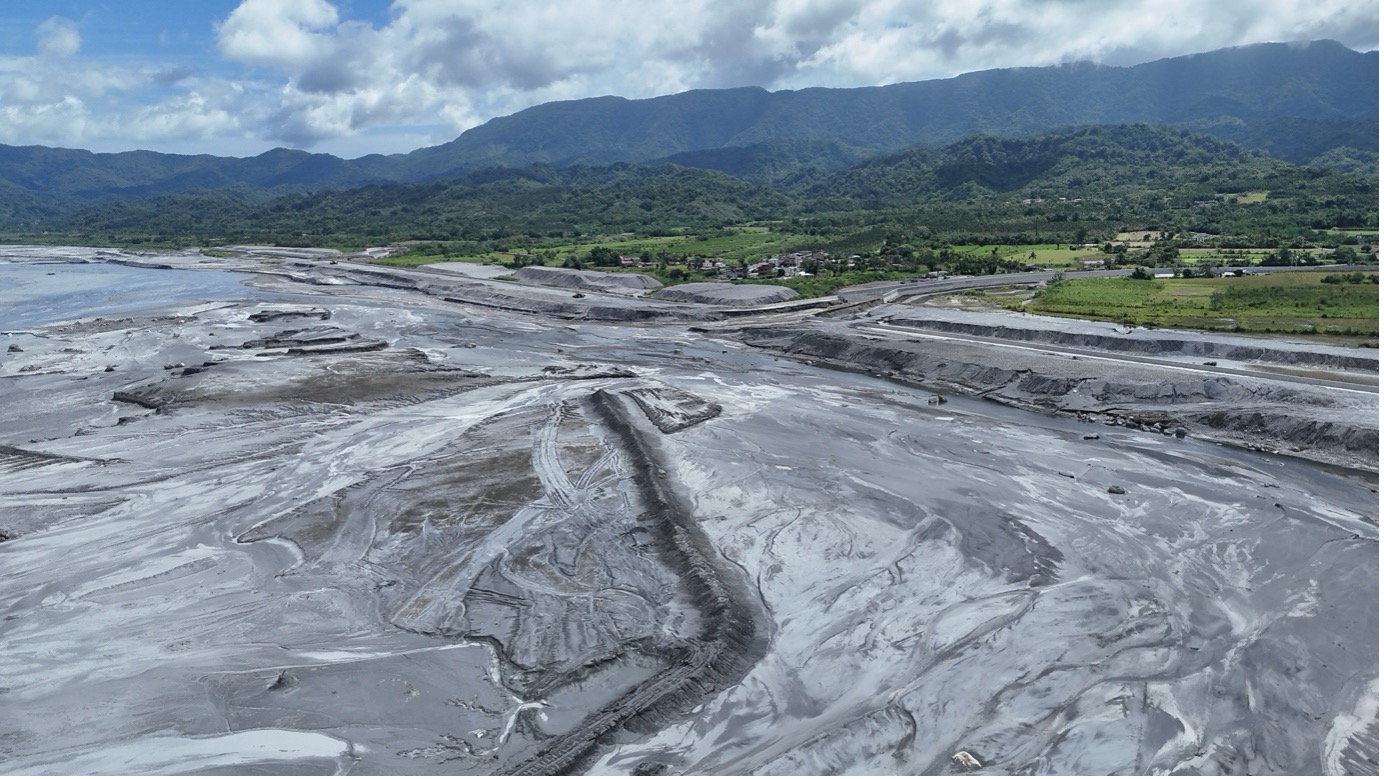
https://youtu.be/HyDBbHhBKrI 災難與希望
2025年9月23日,馬太鞍溪發生重大事故。今年的秋分,同樣是9月23日,恰好是這場事故滿一週年的日子。這是一個令人遺憾的巧合,卻也提醒著我們一件殘酷的事實:在氣候災難之下,小農往往是最先受害、也最少被看見的一群人。
種碳計畫在馬太鞍溪畔本來就有小農參與。南岸大巴塱的林清福,以及北岸萬榮鄉的謝清波、盧玲玲夫婦,都在這場事故中遭受了不同程度的損失,所幸人員都平安無事。作為與這些小農長期合作的夥伴,天地和氣負責人方儉在事故發生後,陪同風傳媒記者張瀞文、攝影記者劉偉宏,多次深入馬太鞍溪附近走訪各界,第一線了解小農的處境與需要。在這場與氣候變遷正面交鋒的考驗中,這些種碳小農所展現出來的韌性,格外令人動容。
方儉在陪同採訪之後寫下這樣一段話:台灣原本就是地殼板塊擠壓隆起而成的新生島嶼,成陸不過三百萬年,地震、颱風、暴雨、土石流,形塑了東西兩岸截然不同的地形地貌。這不是台灣獨有的不幸,而是這座島嶼與生俱來的地質性格。他回憶,早在2009年88風災之後,他就曾在小林村與倖存的災民相處了長達半年的時間,那些災民多半是農民,也是從那時起,他開始真正關注農民所面臨的處境,此後陸續投入與農業、農產品相關的工作,因為他看見了農民與農業共同承擔的危機——氣候風險最先落在土地上,而承擔這些風險的,往往是最沒有議價能力、也最沒有社會安全網的小農。
他更直言:不論全球暖化是否存在、是否加劇,這樣的自然災難都還會一再上演。而每一次災難、每一場悲劇發生之後,最無助、最沒有聲音的一群人,往往就是那些沒有耕地所有權、只能依附土地維生的農民,同時他們也是社會救助資源中最少被照顧到的一群。方儉說,這也正是他即使早已過了退休之齡,仍然選擇繼續工作、繼續存在的價值所在。
一年之後,風傳媒與《新新聞》團隊重返花蓮光復災區,製作了一系列共七篇的深度報導,帶讀者直擊災後一年的真實樣貌:便橋雖已通行,但風沙問題依舊嚴峻;中繼屋讓居民「離災不離村」,卻仍有部落族人心繫半毀的老家;棒球場率先被搶救回來,校園重建與心理創傷復原同步進行;政府畫下逾200公頃的土地徵收範圍,光復的未來由誰決定,仍是懸而未決的問題;770公頃農田至今回不來,光復農民還在等待屬於自己的復耕之路;上游仍留有三部怪手,風險從未真正離開馬太鞍;而光復的小農,則在這一年裡,靠著自己的力量把田種回來。
災難有明確發生的日期,重建卻沒有明確的終點。這正是我們在這個特別的秋分日,選擇重新回顧馬太鞍溪的原因——不是為了停留在傷痛之中,而是希望讓更多人看見,那些在災後仍然選擇留在土地上、繼續耕種的小農,他們的韌性,值得被記得,也值得被支持。
English Summary
A major disaster struck the Mataian River on September 23, 2025. This year's autumn equinox falls on the same date, marking exactly one year since — a painful coincidence that reminds us of a hard truth: in climate disasters, smallholder farmers are so often the first to suffer, and the least seen.
Carbon-farming smallholders along the Mataian, including Lin Ching-fu on the south bank in Dabalong and the couple Hsieh Ching-po and Lu Ling-ling on the north bank in Wanrong, all sustained losses, though everyone is safe. Farn Jenq, head of Tian Di He Qi, accompanied Storm Media reporter Chang Ching-wen and photojournalist Liu Wei-hung on repeated visits to communities near Mataian, gathering firsthand understanding of what these farmers faced. Against this direct confrontation with climate change, the resilience these carbon-farming smallholders showed was genuinely moving.
Afterward, Farn wrote that Taiwan, a young island formed by tectonic uplift barely three million years ago, has always been shaped by earthquakes, typhoons, storms, and landslides — a geological character the island was born with, not a unique misfortune. He recalled that after Typhoon Morakot in 2009, he lived alongside survivors in Xiaolin Village for six months, most of them farmers; that experience first drew his lasting attention to farmers' circumstances, because climate risk lands on the soil first, and it is smallholders with the least bargaining power and the thinnest safety net who bear it. Whether or not global warming is accelerating such events, he says, they will keep recurring, and in every tragedy it is landless farmers — the most helpless, the least heard, and the least supported by social assistance — who suffer most. This, he says, is precisely why he continues working past retirement age.
One year on, the Storm Media and CommonWealth Magazine teams returned to Guangfu, producing a seven-part series capturing the real texture of a year of recovery: a temporary bridge now open but wind-blown sand still a serious problem; transitional housing letting residents stay near their villages while some still long for their half-destroyed homes; the baseball field rescued first even as school reconstruction and trauma recovery proceed together; more than 200 hectares marked for land expropriation with the area's future still undecided; 770 hectares of farmland still unrecovered, farmers still waiting for their own path back to cultivation; three excavators still sitting upstream, risk never truly gone; and Guangfu's smallholders spending the year putting the fields back together through their own effort.
A disaster has a clear date. Reconstruction does not have a clear end. That is exactly why, on this particular autumn equinox, we chose to look back at the Mataian — not to dwell in pain, but so that more people see the resilience of the smallholders who stayed on the land and kept farming, and recognize that their resilience deserves to be remembered and supported.