About Us
綠色消費者基金會是1990年發起地球日,和1992年台灣環保團體參加地球高峰會後決定成立的基金會,推動綠色消費運動。天地和氣股份有限公司是因綠色消費者基金會倡議環安、農安、食安而設立的營利機構,開發「努力小農 App」,並從事國際自願性減碳專案,幫助小農取得國際碳權認證,實踐永續發展目標。
Google Translate
網頁由Google自動翻譯內容不準確之處請多包涵


種碳文摘/Carbon Farming Digest 第7期・秋分|節氣專文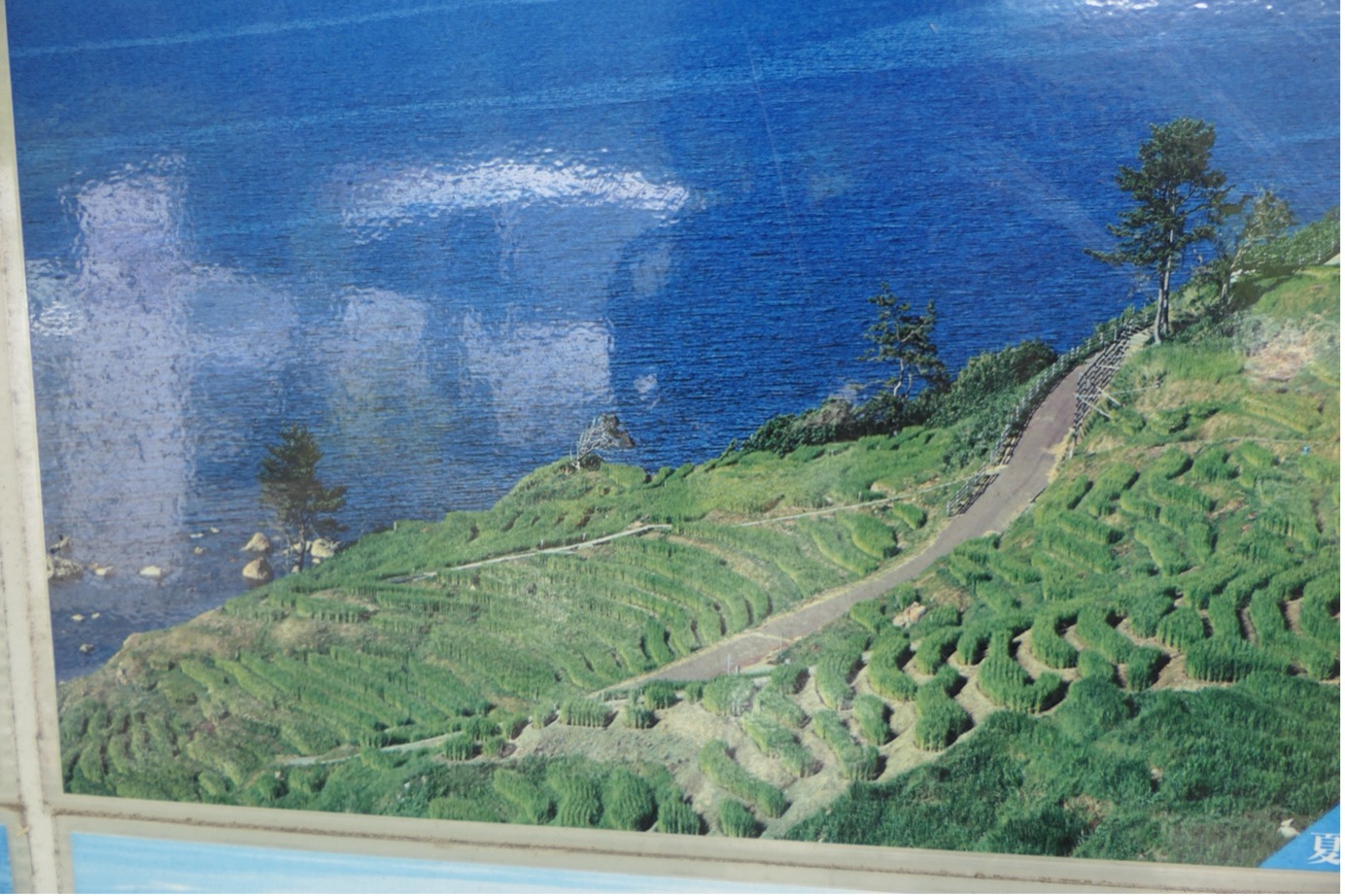
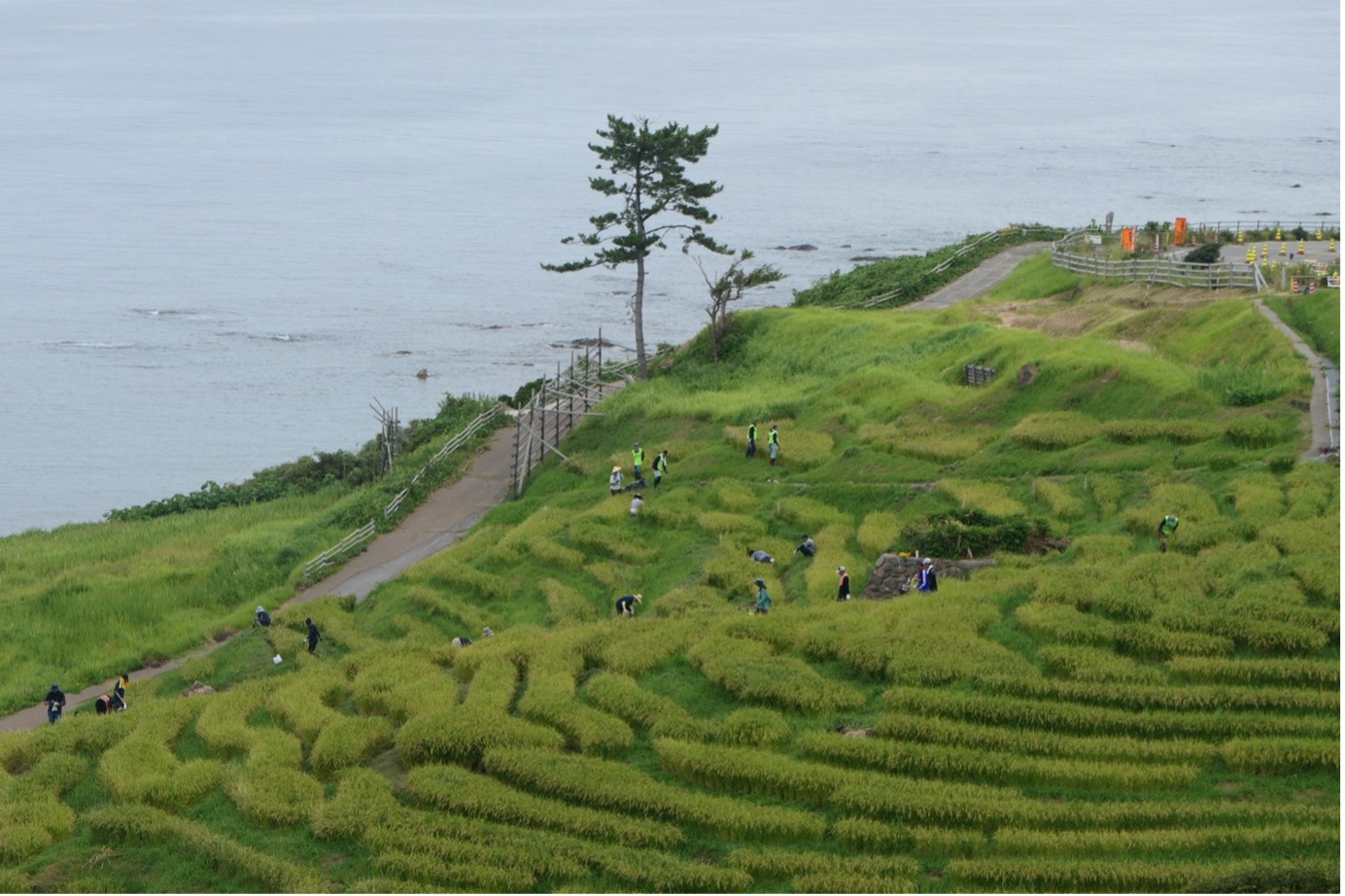
比較種碳前後的差別,之前使用除草劑,田梗是光禿禿的(千枚田休息站照片),從2025年停止使用除草劑,就成了一片綠。
2024年的第一天,日本能登半島遭遇近8級大地震,災情慘重。慈濟基金會的行動速度令人動容——早在1月13日,救援團隊便已進入能登半島,在零下氣溫中為災民供應熱食,同時向高齡、乏人照顧的弱勢者發放「見舞金(撫慰金)」,第一時間投入緊急救助。
然而,慈濟的努力並未止步於緊急賑災。慈濟基金會希望藉由黃金標準永續認證,為能登的小農提供一套國際公正的重建振興指標,用以衡量災後中長程重建振興計畫真正的成效,而不只是憑感覺、憑善意判斷。這在慈濟基金會過往的救災模式中相當少見——多數賑災行動在緊急階段結束後便告一段落,但能登這次,慈濟選擇啟動為期一年、自2025年起的「能登里山小農種碳專案」,將關懷延伸到中長期的土地重建。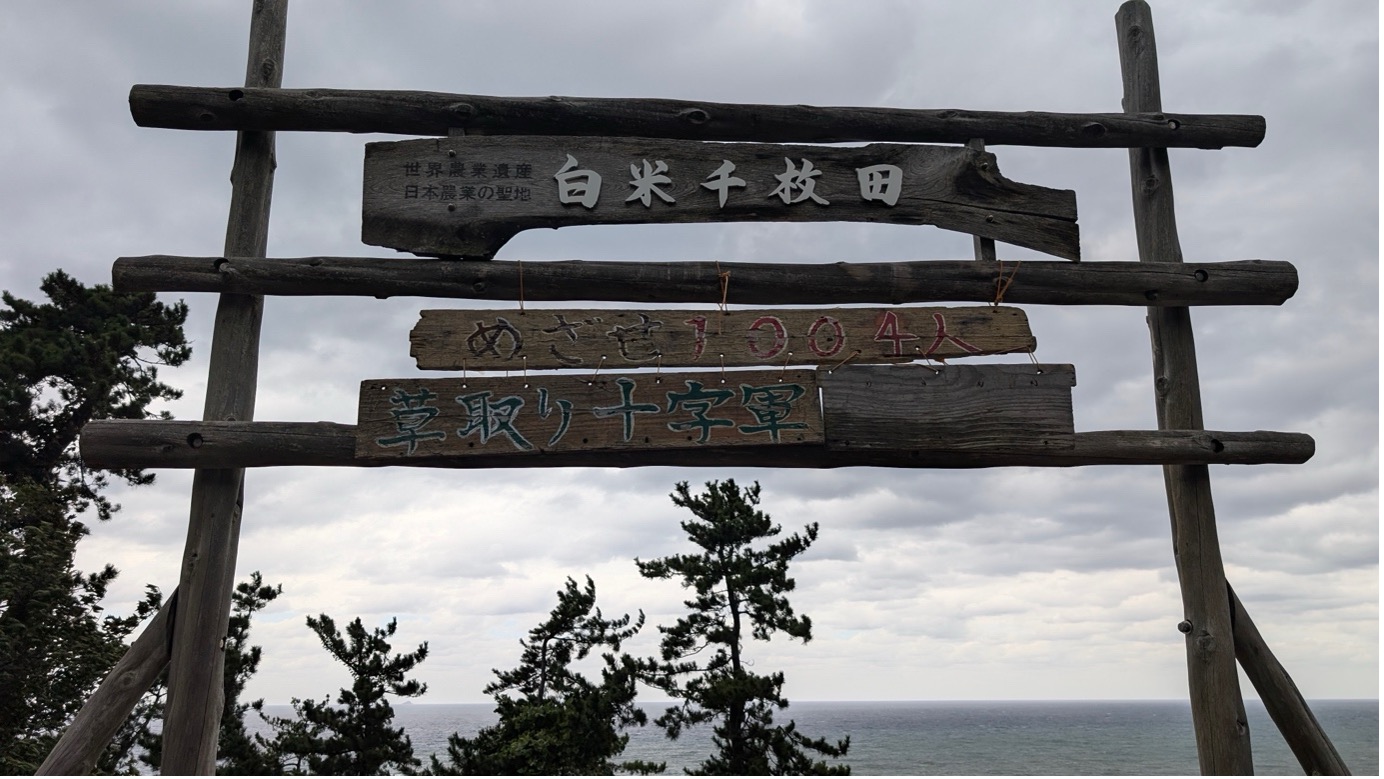
千枚田,是這項專案的核心場域。它是日本重要的農業與自然遺產,層層疊疊依山而建的梯田景觀,長年以來是日本里山永續農業「人與自然和諧共存」理念的代表作。如今,千枚田由當地農民組成的「愛耕會」持續耕作,這群平均年齡超過70歲的小農,卻在地震之後面臨極為嚴峻的挑戰:高達九成的農田因震損而破裂,無法蓄水,也就無法插秧耕作。一年半以來,愛耕會的成員憑著雙手與意志,努力恢復了25%的田地,未來仍可望逐步復耕更多可耕地。
真正令人振奮的,是這場災難之後,愛耕會在耕作方式上做出的選擇。2025年加入種碳專案之後,愛耕會決定停止使用除草劑,改用有機複合肥,不再使用化學合成肥料——這不只是為了符合種碳計畫的標準,更是他們對土地重建方式的重新選擇。他們同時延續了「刈草十字軍」的傳統,號召1004位志工,對應1004片田,協力進行除草工作,讓這場重建帶有強烈的社區共同參與色彩。
8月17日至28日,方儉與慈濟基金會執行長顧問謝景貴一同前往能登,親自見證這場刈草行動,同時與愛耕會商討覆蓋作物的執行方案。愛耕會最終決定在9月10日播撒覆蓋作物種子,因為緊接著9月12日就要進行收割,時間相當緊迫。到了9月12日收割當天,我們在田間發現,兩天前才剛播下的大麥種子,竟然已經開始發芽。
這個看似微小的細節,卻是整個能登重建行動中,最讓人振奮的一幕:種子與土壤展現出的旺盛生命力,正是固碳得以持續累積的基礎。從一場零下氣溫的緊急救援,到千枚田裡剛剛發芽的大麥苗,能登的重建振興之路,正一步步地,把希望種回土地裡。
English Summary
On the first day of 2024, Japan's Noto Peninsula was struck by a magnitude-nearly-8 earthquake, causing severe damage. The Tzu Chi Foundation's response speed was remarkable: as early as January 13, relief teams had already entered Noto, serving hot meals in sub-zero temperatures and distributing condolence payments to elderly and unsupported vulnerable residents, moving into emergency relief immediately.
Yet Tzu Chi's efforts did not stop at emergency aid. The foundation hopes that Gold Standard sustainability certification can give Noto's smallholder farmers an internationally impartial set of indicators to measure the real success of medium- to long-term post-disaster reconstruction — not judgments based on goodwill alone. This is unusual for Tzu Chi, whose relief work typically concludes once the emergency phase ends; in Noto, the foundation chose to launch a one-year Noto Satoyama smallholder carbon farming project starting in 2025, extending its care into the medium- to long-term rebuilding of the land itself.
The Senmaida terraced rice fields are the heart of this project — an important Japanese agricultural and natural heritage site, and for years the representative image of satoyama sustainable agriculture's ideal of people and nature coexisting in harmony. Cultivation is now carried out by local farmers organized as the Aikokai, smallholders averaging over 70 years old who, after the earthquake, faced an extremely severe challenge: ninety percent of the terraces were cracked and could no longer hold water for planting. Over the past year and a half, through sheer effort and determination, Aikokai members have restored 25 percent of the fields, with more expected to follow.
What is genuinely encouraging is the choice the Aikokai made about how to farm going forward. After joining the carbon farming project in 2025, they decided to stop using herbicides and switch to organic compound fertilizer, abandoning synthetic chemical fertilizers altogether — not merely to meet program standards, but as a deliberate reimagining of how to rebuild the land. They also continued the tradition of the "Weeding Crusade," calling on 1,004 volunteers, matching 1,004 plots, to help with weeding together, giving the reconstruction a strong flavor of shared community effort.
From August 17 to 28, Farn Jenq and Tzu Chi executive advisor Hsieh Ching-kuei traveled to Noto to witness this weeding effort firsthand and discuss cover cropping with the Aikokai. They decided to sow cover crop seed on September 10, with harvest following quickly on September 12. On harvest day, in the fields, we found that the barley seeds sown just two days earlier had already begun to sprout.
This small detail was the most uplifting moment of the entire Noto reconstruction effort: the vigorous vitality of seed and soil is exactly the foundation on which carbon sequestration continues to accumulate. From emergency relief in sub-zero temperatures to barley seedlings just sprouting in the Senmaida terraces, Noto's road to reconstruction is, step by step, planting hope back into the land.