[A word from the publisher]
Dear friends, Cold Dew is almost here and the rice is turning golden — time again to share the carbon farming platform's latest progress. Thank you for continuing to follow the Carbon Farming Digest and for telling, with us, a story about Taiwan's rice in the language of the soil. In this issue I'd especially like to talk about “taste value”.
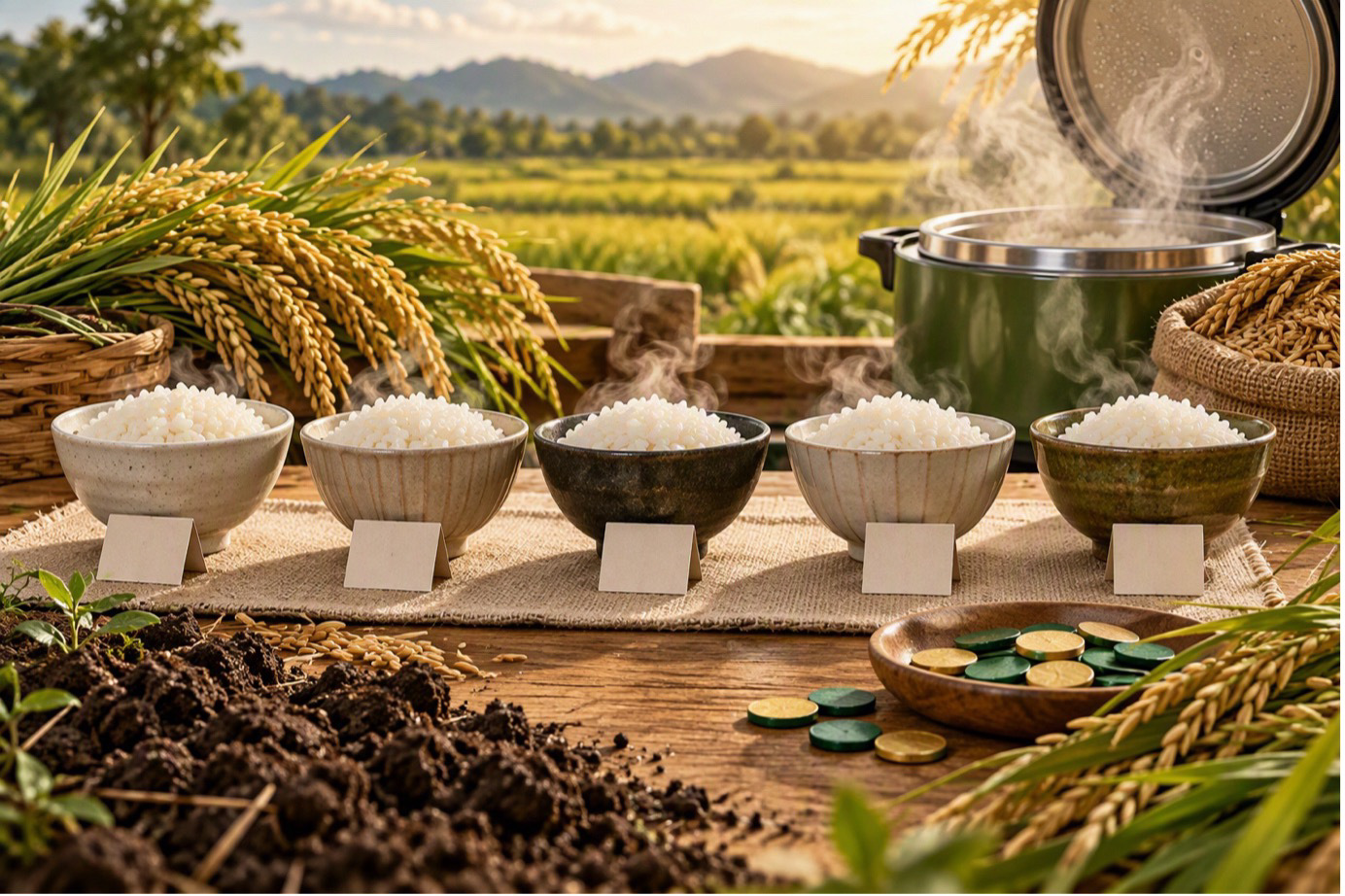
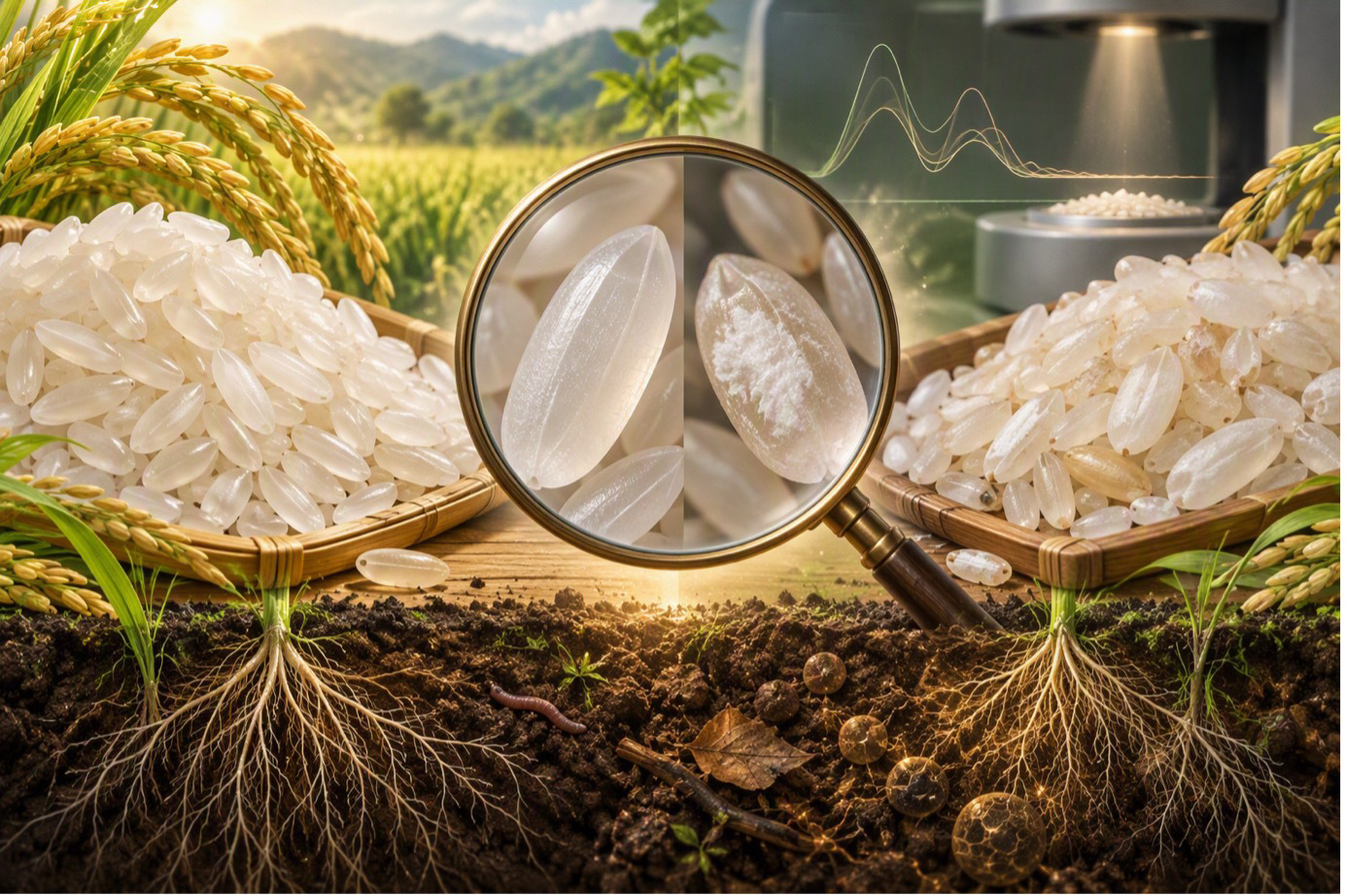
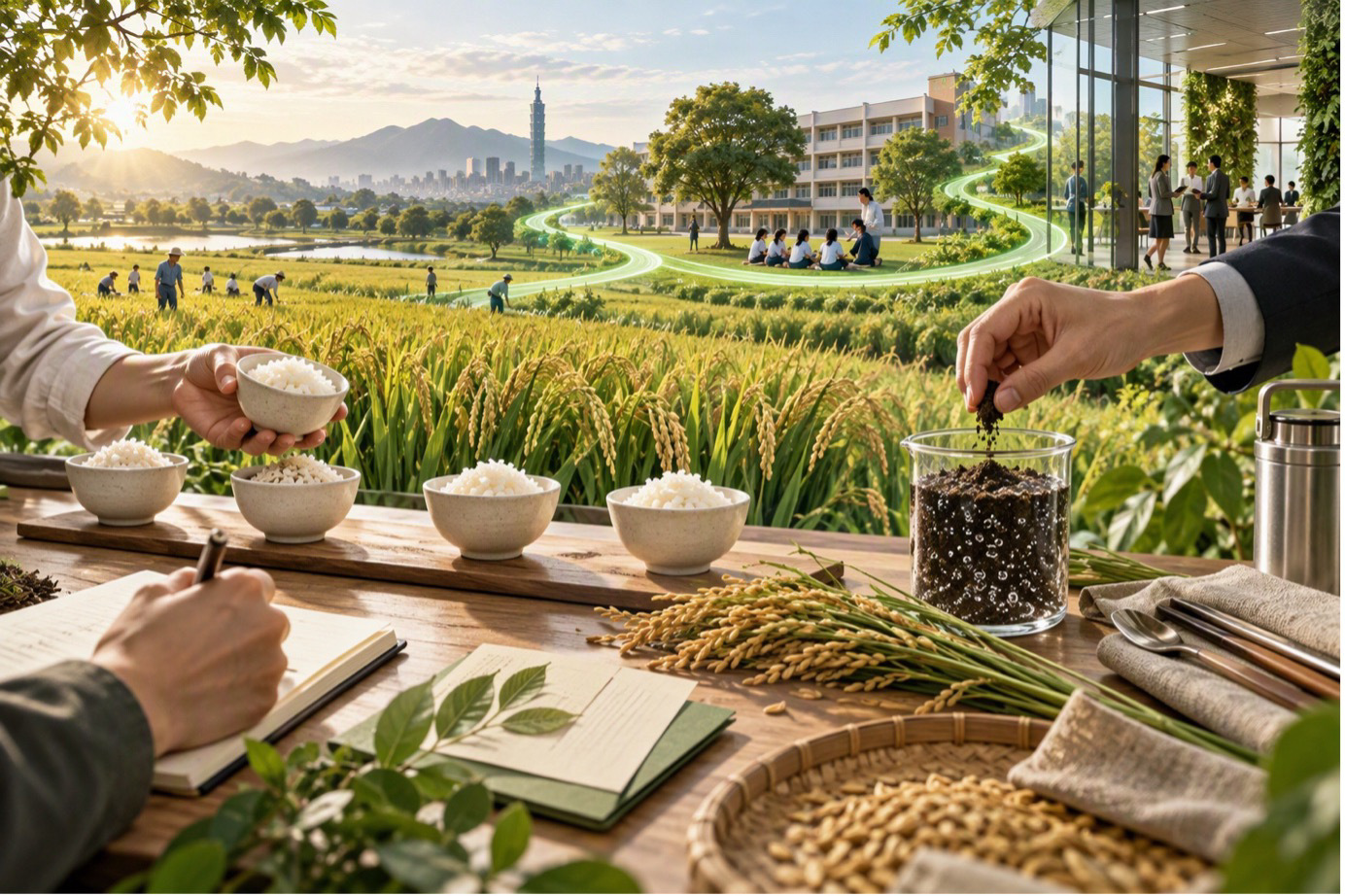
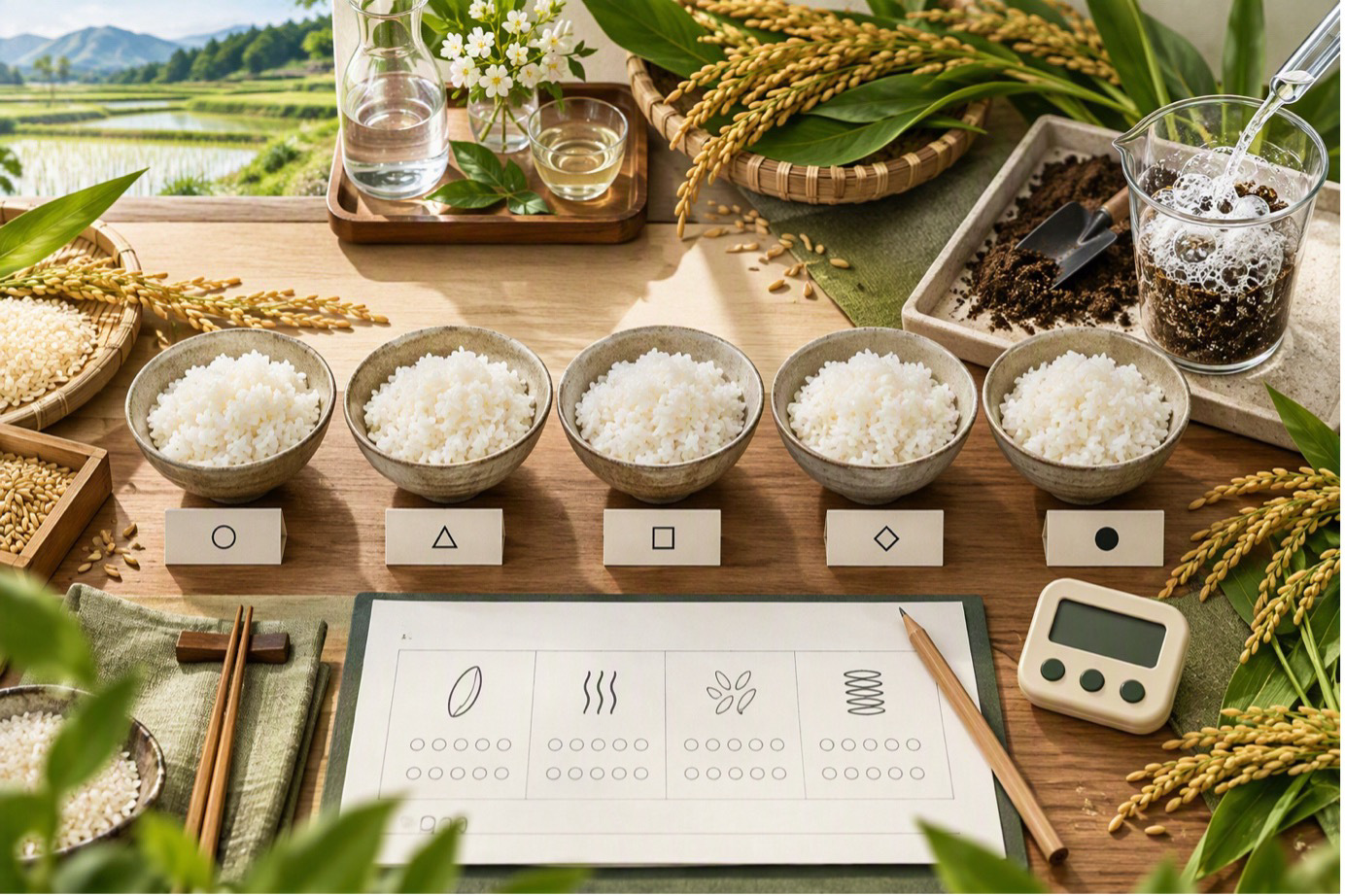
Over the past two months we have held three taste-value blind tastings in a row: on 18 September at AIDC in Taichung, on 3 October at the Rice Heritage Hall in the Wan'an community of Chishang, and on 4 October at the Mitian Sharing Cooperative in Ji'an, Hualien. Using the same rice cookers, the same rice-to-water ratio and the same washing method, we served rice with high, medium and low taste values and let consumers and farmers blind-taste and vote. Time and again the results confirmed it: the rice people voted tastiest was exactly the one with the highest taste value measured by instrument. More interestingly, we also used a simple hydrogen peroxide test to assess the organic matter in the paddy soil — and sure enough, high-taste-value rice mostly came from healthy soil rich in organic matter, where carbon had truly been “planted”.
This confirms something we have always believed: only healthy soil can grow healthy food and nurture healthy people. And this chain is exactly what the carbon farming platform wants to link concretely, using taste value as a yardstick, between how farmers farm and what consumers choose for their tables.
Special thanks go to the three venues that gave their full support during this time — AIDC in Taichung, the Rice Heritage Hall in Chishang's Wan'an community, and the Mitian Sharing Cooperative in Ji'an, Hualien. Without your willingness to open your spaces and mobilise farmers and consumers, these three tastings could never have gone so smoothly. It has made me even more certain that what the carbon farming platform does is not just technology and data, but a process of reconnecting people and land.
In this issue we also set out the technical principles and history of taste value, and bust a common myth: Grade 1 and Grade 2 rice under the CNS national standard are graded not on taste but on appearance and defect rates. Many people don't know that in our blind tastings, more expensive Grade 1 rice was not necessarily preferred over Grade 2 — which perhaps should make us rethink whether to choose rice by grade or by taste value.
Finally, we have formally linked the taste-value tastings with the “ESG Green Shinkansen”, warmly inviting companies, consumers and schools to come to the fields and to the tastings, and get to know the power of soil through their taste buds. If you have any thoughts or suggestions about this issue, please reply to me directly — I'd be glad to talk more. In the next issue, on 23 October for Frost's Descent, I look forward to sharing new progress on ESG applications, and the story of Lin Shih-feng, a Shumei natural farming smallholder in Taichung whose whole year's hard-won harvest was stolen by a troop of monkeys.
Jay Fang
Chairman, Eco-affinity Inc.
 努力小農