Carbon Farming Seasonal Digest Autumn Equinox issue | 2026.9.23 | No. 7
|
|
|
|
Carbon Farming Seasonal Digest
|
|
|
|
2026 Autumn Equinox issue
23 September 2026 · No. 7
|
|
|
[A word from the publisher]
This year's Autumn Equinox also marks one year since the Mataian River disaster. In this issue we start from the relationship between land and people: from taste science linking smallholders and consumers as “body and soil are one”, to the resilience of carbon farming smallholders beside the Mataian River after the climate disaster; from Tianzu Sustainable Agriculture moving to Kaohsiung Medical University's Industry-Academia Development Center after the sudden death of Dr. Hung Chien-che, and setting up Jianzhe Co., Ltd. to carry on his work, to the Senmaida terraces on Japan's Noto Peninsula choosing cover crops to welcome new life in the soil on the road to earthquake recovery. Four stories, all different facets of the same thing: soil organic carbon is not just a number, but evidence of people and land bearing burdens and recovering together.
Jay Fang
Chairman, Eco-affinity Inc.
|
|
|
01 Autumn Equinox note: Day and night in equal measure: time for the body to find “balance”
|
|
|
The Autumn Equinox is the fourth solar term of autumn, falling this year on 23 September. On this day the sun is directly over the equator and day and night are almost equal; after the equinox, days shorten, nights lengthen, and the gap between morning and evening temperatures often exceeds 10°C. The core of self-care is “balance”: avoid overly drying or overly cooling foods — warm, moistening foods such as pumpkin, chestnuts and lotus root suit the season best — and cut back on raw and iced foods. Go to bed early and rise early, adjusting your rhythm to the daylight, and watch out for “autumn melancholy”, getting some sun to steady the mind. In the fields, autumn harvesting and sowing go on side by side: the second rice crop is at the tail end of harvest, other grains are being sown, and pomelos are at the peak of harvest.
|
|
|
02 Letting taste value link smallholders and consumers directly: body and soil are one
|
|
|
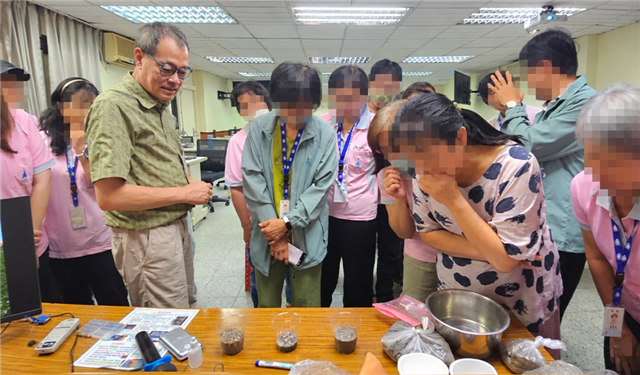
On 8 September, at an event in the Wan'an community of Chishang, we discussed rice taste value with carbon farming smallholders, explaining the science and sensory principles behind it and giving a hands-on hydrogen peroxide demonstration, so farmers could concretely understand the link between taste value and soil organic carbon and strengthen their commitment to carbon farming. In the ESG Green Shinkansen sandbox, we use taste value as the pricing standard, helping farmers gradually move away from a mindset that values yield over the worth and value of what they produce. On 18 September, during a training session for AIDC's volunteer team, we ran taste-value training for consumers. More than 40 volunteers blind-tasted three rices with taste values of 60, 70 and 79; although they had never heard of the measure, they clearly distinguished high, medium and low by instinct. The dean of Feng Chia University's College of Social Innovation, who attended to give guidance, stressed that international ESG evaluation increasingly values authenticity and that “anti-greenwashing” will become the mainstream; he asks companies to make real contributions to the environment, society, governance and sustainability. Jay Fang stressed that the Gold Standard–certified carbon farming project provides a complete chain of evidence covering goods, information and money, meeting two bottom lines of international ESG/SDG certification: products genuinely come from smallholders in need, and smallholders receive real returns of more than 70%, in line with IFRS sustainability and climate-risk financial disclosure requirements.
|
|
|
03 Reflections amid climate disaster: one year on from the Mataian River
|
|
|
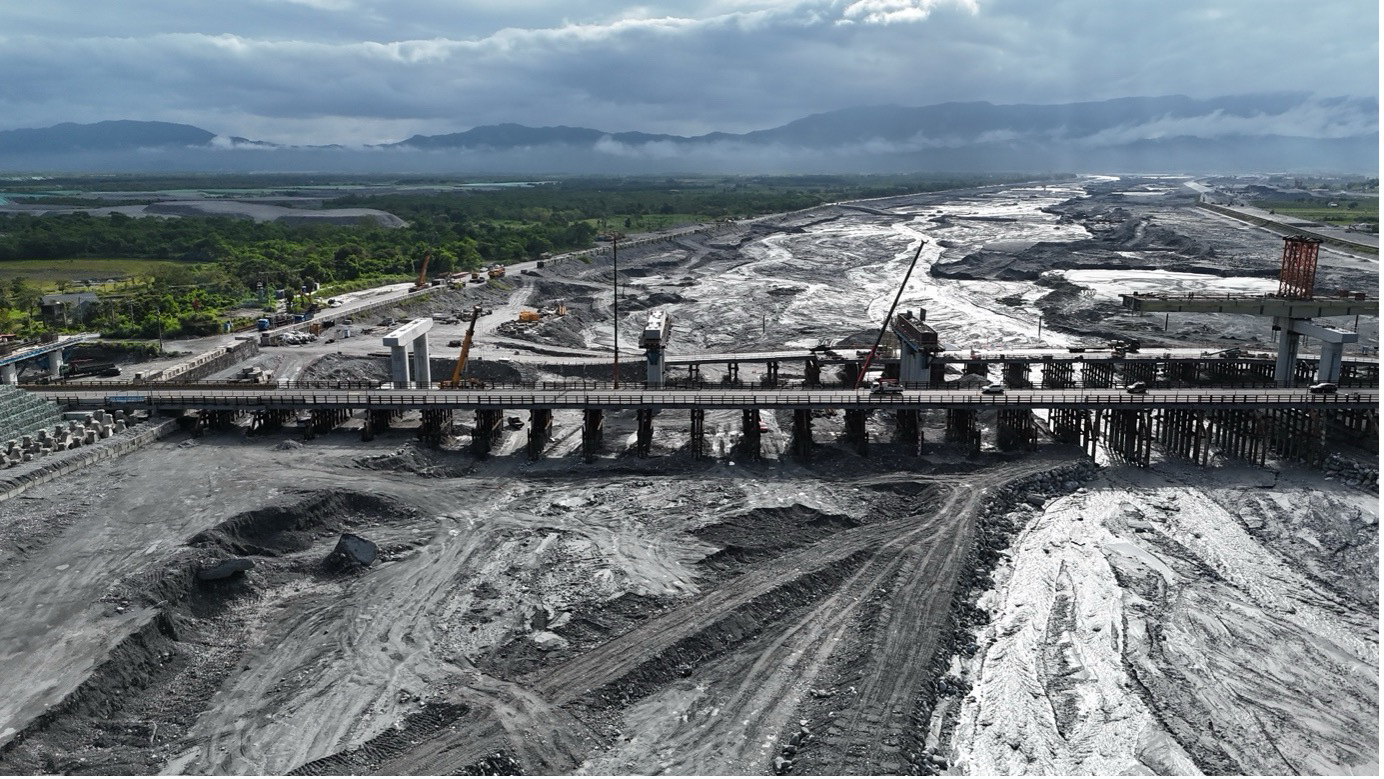
On 23 September 2025 a major disaster struck the Mataian River; this year's Autumn Equinox marks its first anniversary — a regrettable day, but one worth remembering: in climate disasters, smallholders are often the first to suffer. Carbon farming smallholders beside the Mataian River — Lin Ching-fu in Tafalong on the south bank, and the couple Hsieh Ching-po and Lu Ling-ling in Wanrong Township on the north bank — all suffered losses, though fortunately everyone was safe. Jay Fang accompanied Storm Media reporter Chang Ching-wen and photojournalist Liu Wei-hung on visits around the Mataian to understand smallholders' situations; tested by climate change, these carbon farming smallholders showed striking resilience. He wrote: Taiwan is a young island raised by crustal compression, only three million years old, and earthquakes, typhoons, torrential rain and debris flows have shaped the very different landscapes of its east and west coasts. After Typhoon Morakot in 2009 he spent half a year with survivors in Xiaolin Village, mostly farmers, and has paid attention to farmers' plight ever since. He notes that, global warming or not, such disasters will keep happening, and in every tragedy the most helpless and voiceless are often farmers without farmland, who are the least looked after. That is why, though past retirement age, he finds value in continuing to work. The Storm Media team returned to Guangfu, Hualien, with a seven-part series showing what life is really like a year after the disaster: bridges rebuilt, schools reopened, streets restored, but huge mounds of earth still lie in the valley, and blowing sand, resettlement, getting farmland back into production and public works continue to affect local life. A disaster has a date; rebuilding has no clear end. Readers are welcome to refer to and quote these reports with attribution; we can also provide aerial photos and video.
|
|
04 Tianzu becomes the Jianzhe Laboratory
|
|
|
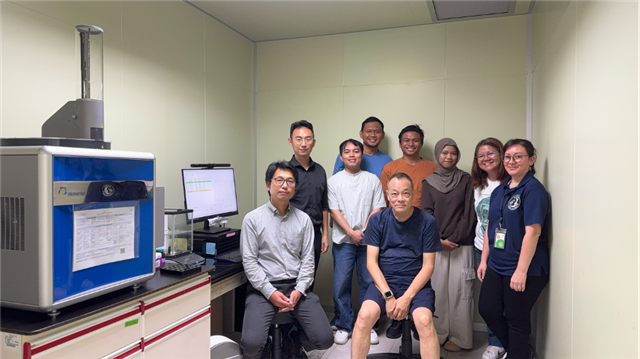
Dr. Hung Chien-che of Tianzu Sustainable Agriculture, who helped us with soil organic carbon testing, took part in disaster relief at the Mataian River at the end of last September. A foot injury developed into cellulitis, and tests in hospital unexpectedly revealed leukaemia. After eight months of treatment he sadly passed away on 25 May this year, aged 44 — the loss of a great talent. After his sudden death, Tianzu Sustainable Agriculture moved its testing equipment to Kaohsiung Medical University's Industry-Academia Development Center and set up Jianzhe Co., Ltd. there, in memory of Dr. Hung and to carry on his unfinished work. Benchmarked against ISO 17025:2017, Jianzhe serves as a third-party laboratory testing soil organic carbon on commission from Eco-affinity; for now it offers only this service, but plans to expand into broader testing and research in agriculture and the health and life sciences. Jianzhe's founding ensures that the testing quality and impartiality Dr. Hung built will continue — its role as a third party independent of Eco-affinity is an important part of the credibility of soil organic carbon data in the Gold Standard certification system. We look forward to honouring Dr. Hung together with Jianzhe, turning his dedication to soil science into a foundation for the carbon farming project to keep moving forward.
|
|
05 Rebuilding and revival one year after the Noto earthquake
|
|
|
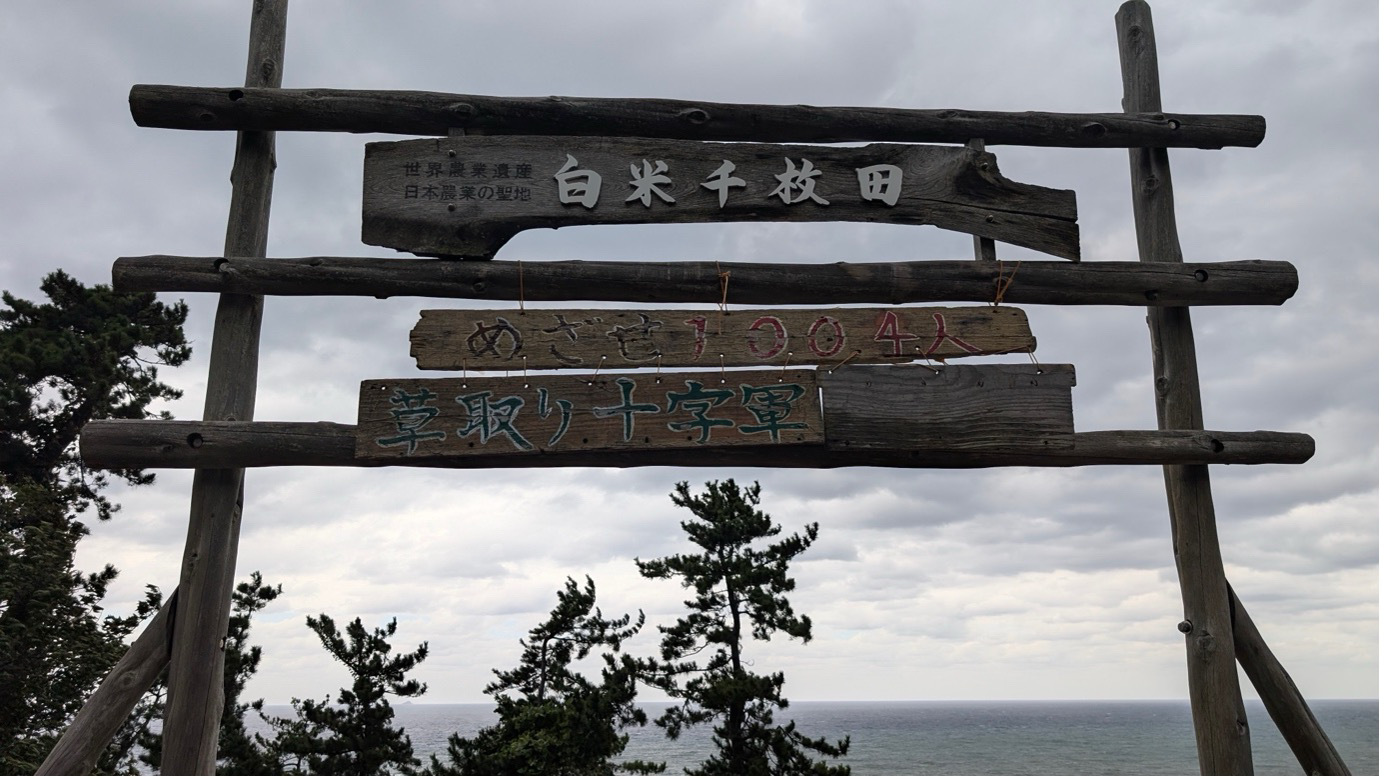
On 1 January 2024 a magnitude 7-plus earthquake struck Japan's Noto Peninsula, causing severe damage. The Tzu Chi Foundation entered Noto on 13 January, serving hot meals in sub-zero temperatures and distributing condolence payments (mimaikin) to elderly and vulnerable residents. Tzu Chi hopes to use Gold Standard sustainability certification to give Noto's smallholders internationally impartial indicators for reconstruction and revival, measuring the results of medium- and long-term post-disaster plans — one of the few cases in which Tzu Chi has launched a medium- to long-term programme after disaster relief. The Noto satoyama smallholder carbon farming project runs for one year from 2025. The Senmaida terraces are an important part of Japan's agricultural and natural heritage, a symbol of satoyama sustainable farming in which people and nature live in harmony. They are farmed by the local Aikōkai society, smallholders with an average age of over 70, who faced 90% of their paddies damaged by the earthquake and unable to hold water for planting. Over a year and a half they have restored 25% of the fields. After joining the carbon farming project in 2025, Aikōkai decided to stop using herbicides and switch to organic compound fertiliser, and carried on the tradition of the “weeding crusade”, calling on 1,004 volunteers (one for each of the 1,004 paddies) to help with weeding. From 17 to 28 August, Jay Fang and Hsieh Ching-kuei, adviser to Tzu Chi's CEO, visited Noto to see the work and discuss cover crop options. Aikōkai sowed cover crop seed on 10 September, as the harvest was due on 12 September. On harvest day, the barley seed sown two days earlier had already begun to sprout — the vitality of seed and soil, the foundation for continuing carbon sequestration, was truly heartening.
|
|
|
|
|
Issue No. 8 will be published on 8 October for Cold Dew; its expected theme is “Applying the corporate ESG Green Shinkansen”. Readers are welcome to send in field observations, progress on corporate partnerships or related news to make the next issue richer.
|
|
|
|
Eco-affinity Inc. is a for-profit company set up following the Green Consumers' Foundation's advocacy for environmental, agricultural and food safety. It developed the MiHuMiSang app and runs international voluntary emission-reduction projects, helping smallholders obtain international carbon credit certification and put the Sustainable Development Goals into practice.
|
|
|
|
|
|
|
Follow us: website / YouTube / Facebook >>>
|
|
|
|
|
|
|
Share this issue with your friends >>>
|
|
|
|
|
|
|
|
|
 努力小農