At Minor Snow, snow begins to fall in the north, while Taiwan's fields enter their rest period after the second rice harvest. Farmers prepare the land and sow green manure so the soil can slowly build up its strength over the winter, ready for spring planting. With this issue of the Carbon Farming Digest, we also want to pause with our readers at the end of the year and look at what has been happening in the world and in the land beneath our feet.
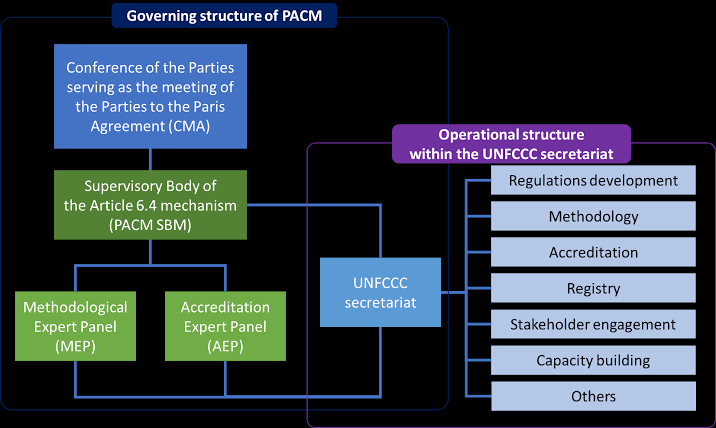
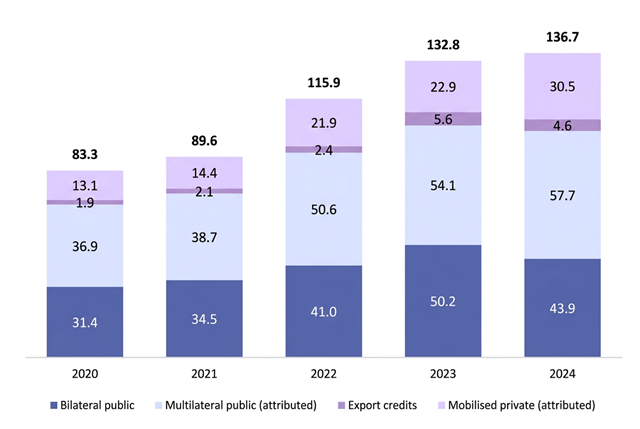
The main theme of this issue is the 31st UN Climate Change Conference (COP31), which has just ended in Antalya, Turkey. It was the longest climate conference in history, yet in the end it adopted no cover decision. At the technical level, however, the international carbon market is moving from "setting the rules" to "competing on quality": within a year, the UN's Paris Agreement Crediting Mechanism has added and revised a number of methodologies, tools and standards, yet not one of them is for farmland or forests, and the only negotiating track dedicated to agriculture has been postponed to 2027. For those of us supporting smallholder carbon farming in Taiwan and Japan, this is both a warning and an opportunity: farmland soil carbon cannot wait for international negotiations, and voluntary projects with integrity, verifiability and co-benefits are exactly the path companies can join right now. This issue also does the sums on climate finance for readers: the money pledged by developed countries has grown, but funding for irrigation and drainage, flood control and smallholder adaptation is still far from enough, and money travelling from the conference hall to the field is often far slower than the farming calendar. We have compiled a list of the methodologies, tools and standards adopted and revised by the UN carbon market over the past year, and set out the evidence Taiwan's farmland can start building now, giving companies a checklist they can go through item by item when choosing partners.
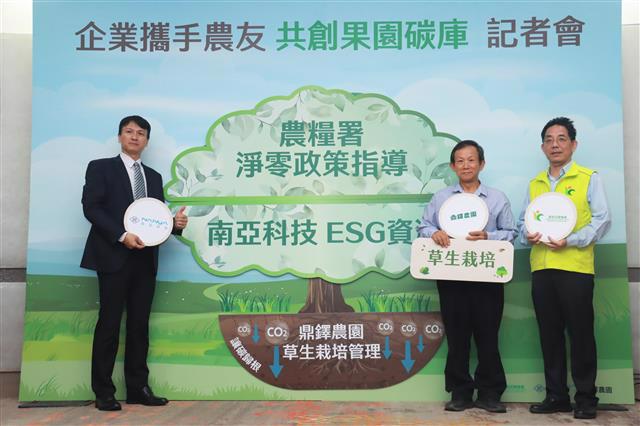
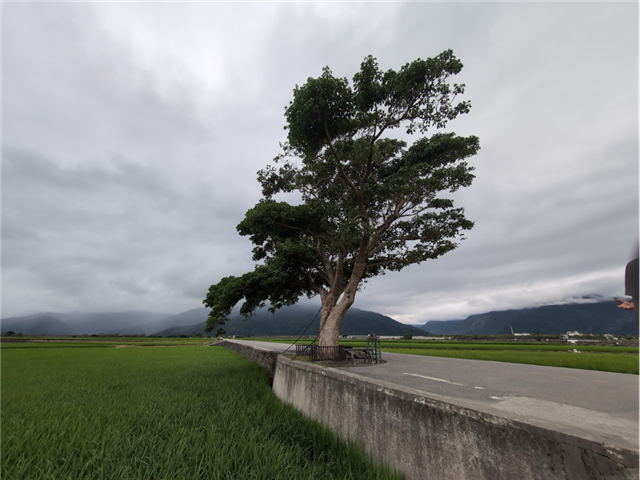
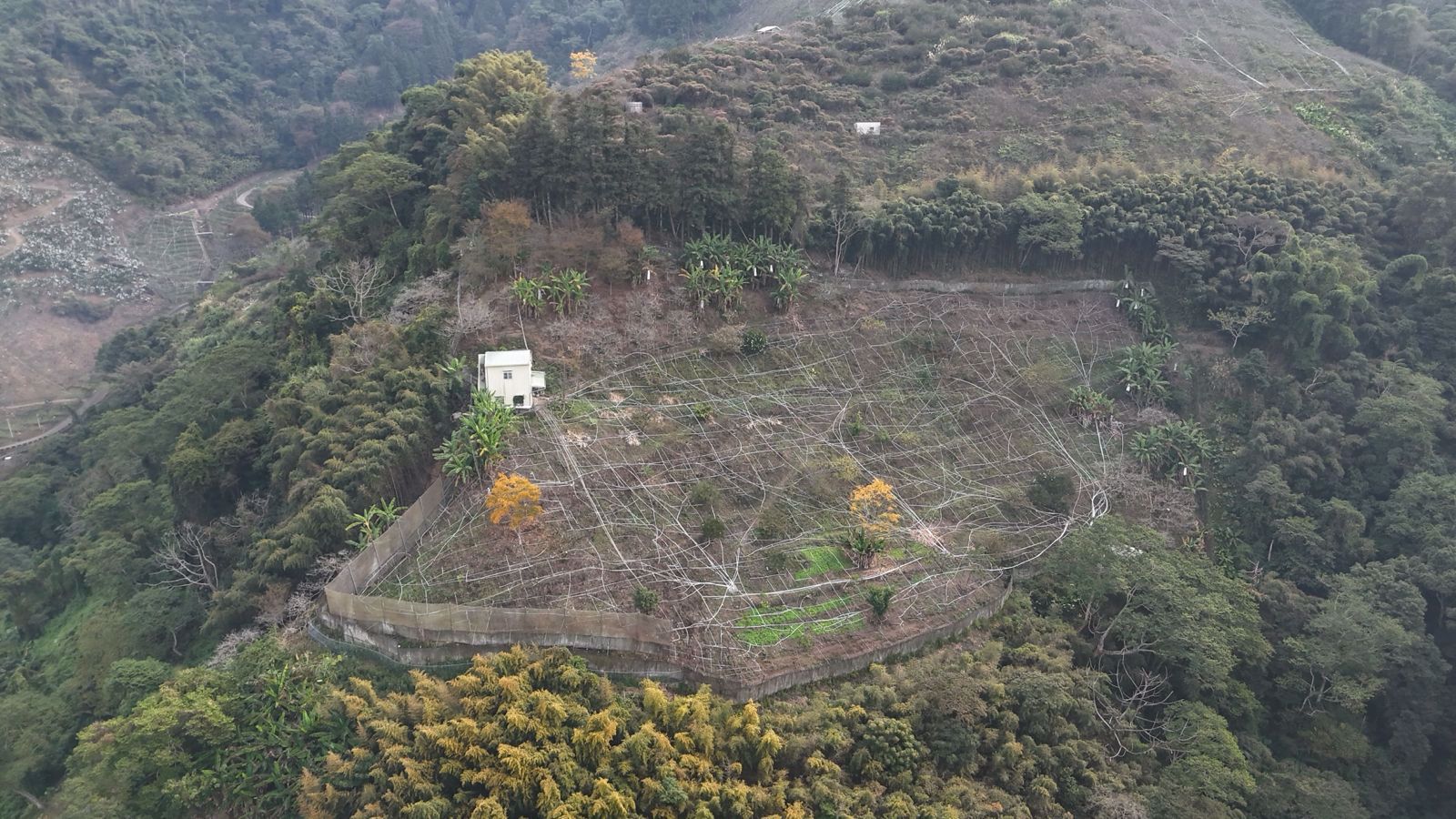
Beyond the international scene, we also return to Taiwan's fields. After years of typhoons, rice farmers in Hualien and Taitung are still finding ways to make it to the next season; Nanya Technology has come to a citrus orchard in Emei, Hsinchu, to try cover cropping together with the growers; and a research team at National Pingtung University of Science and Technology is using edge AI to help Lin Shih-feng, who farms a hillside orchard, deal with macaques. These stories all point to the same question: how can corporate support truly keep pace with the farming calendar and share growers' labour and risk?
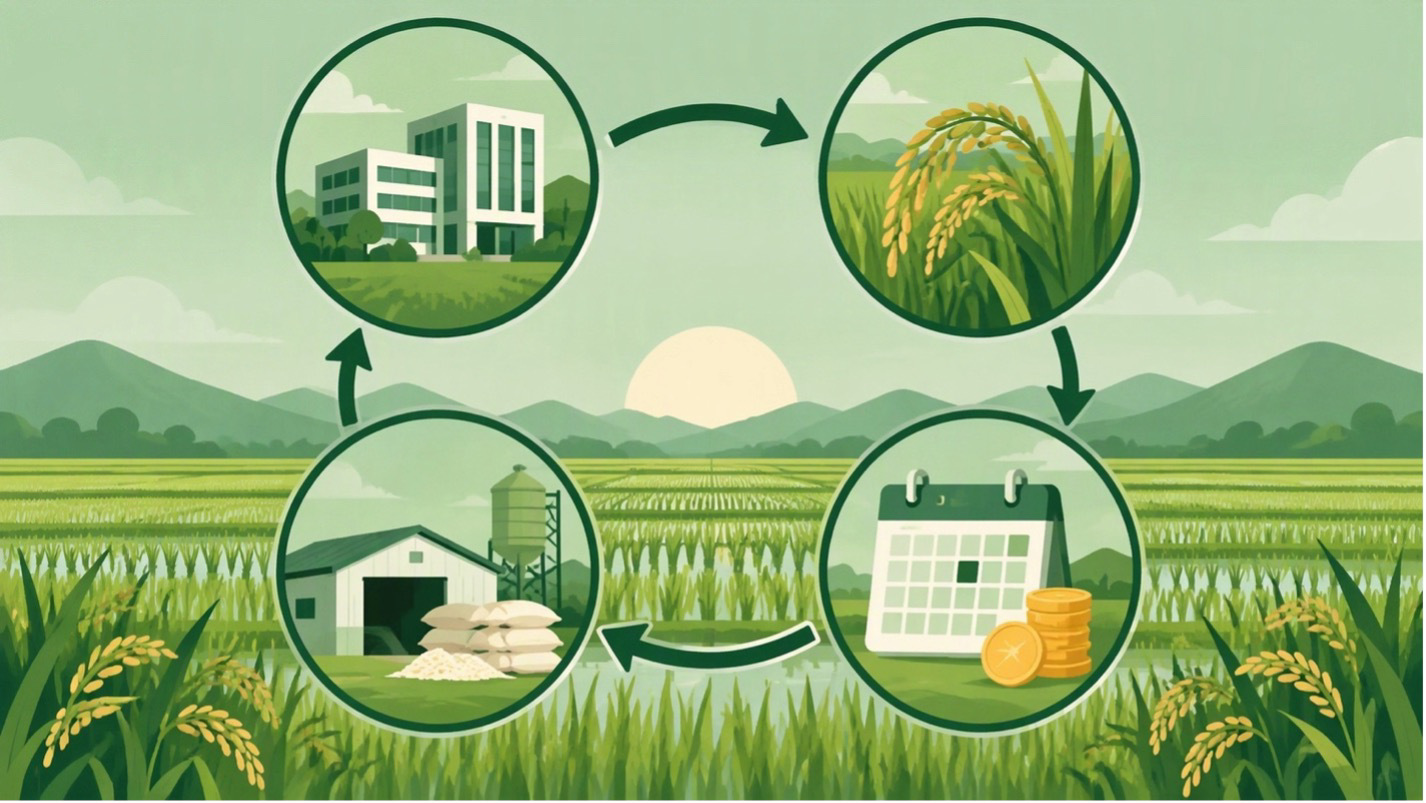
What the ESG Green Shinkansen wants to do is break this question down into work that can be checked season by season: payment dates, beneficiary farm households, area returned to cultivation, soil sampling. Carbon credits are not the end goal; healthy soil, a bowl of fragrant, plump rice and farmers willing to keep farming are what we really want to protect. Companies, schools and friends are welcome to come and walk in the fields, taste rice grown on carbon-farming land and hear growers talk about their year.
Jay Fang, smallholder carbon farming project developer
From COP31 to Hualien–Taitung Paddies: How Corporate Support Can Keep Pace with the Farming Calendar
Xiaoxue, the Minor Snow solar term, brings the first snow to the north. In Taiwan, paddies rest after the second rice harvest; farmers till the soil and sow green manure so the land can recover over winter before spring planting. This issue invites readers to pause at year's end and look at what has happened, both globally and in the soil beneath our feet.
Our focus is COP31, the 31st UN Climate Change Conference, which has just closed in Antalya, Türkiye. It was the longest climate summit on record, yet it ended without a cover decision. On the technical side, however, international carbon markets are moving from rule-making to quality. Over the past year, the UN's Paris Agreement Crediting Mechanism adopted or revised a series of methodologies, tools and standards — none of them for farmland or forests — while the only negotiating track dedicated to agriculture was deferred to 2027. For those of us working alongside smallholder carbon farmers in Taiwan and Japan, this is both a warning and an opportunity: farmland soil carbon cannot wait for diplomats, and high-integrity, verifiable voluntary projects with real co-benefits are a path companies can join today. This issue also does the climate-finance arithmetic: pledges from developed countries are growing, but money for irrigation, flood control and smallholder adaptation remains far short of need, and funds often travel from the summit hall to the field far more slowly than the farming calendar allows. We have compiled the full list of methodologies, tools and standards the UN carbon market adopted or revised this year, and set out the evidence Taiwan's farms can start gathering now, giving companies a checklist when choosing partners.
Beyond the global stage, we return to Taiwan's fields. Rice farmers in Hualien and Taitung are still finding ways to reach the next season after years of typhoons. Nanya Technology has stepped into a citrus orchard in Emei, Hsinchu, to pilot cover cropping with the grower. A National Pingtung University of Science and Technology team is using edge AI to help hillside orchardist Lin Shih-feng cope with macaques. All of these stories ask one question: how can corporate support arrive in time for the farming calendar and genuinely share farmers' labour and risk?
The ESG Green Shinkansen aims to turn that question into work that can be checked every quarter: payment dates, participating farmers, replanted area and soil samples. Carbon credits are not the end goal. Healthy soil, a bowl of fragrant rice and farmers who choose to keep farming are what we truly want to protect. Companies, schools and friends are welcome to visit the fields, taste the rice grown on carbon farms, and hear farmers tell the story of their year.
Jay Fang, Smallholder Carbon Farming Project Developer
|
 努力小農