Carbon Farming Seasonal Digest White Dew issue | 2026.9.7 | No. 6
|
|
|
|
Carbon Farming Seasonal Digest
|
|
|
|
2026 White Dew issue
7 September 2026 · No. 6
|
|
|
[A word from the publisher]
White Dew is the signal that autumn has truly begun. “From White Dew to the autumn equinox, each night is colder than the last”, as the old saying goes; dew starts to form on the grass in the early morning, and the fierce heat is finally coming to an end. But in recent years, this ancestral seasonal wisdom has matched reality less and less — autumn typhoons arrive one after another, there have even been winter typhoons in December, and a season that should be winding down into cool weather, is instead still wrestling with extreme weather. This is the most direct evidence of climate change: the solar terms follow the rhythm of the Earth's orbit, but when that rhythm begins to loosen, the first to feel it, is farming, which depends on the weather.
For carbon farming projects, however, White Dew is a key moment for action. After the rice harvest, farmland enters a short fallow window — the golden time to plant cover crops and start restoring the soil. Rather than leaving the soil bare while the cooler, drier air after White Dew evaporates and washes away what little organic matter remains, it is better to sow cover crops at this time, letting roots keep sequestering carbon and protecting soil structure, laying a good foundation for the autumn and winter ahead.
In this issue, we open with the glacier collapse disaster in the Himalayas, a reminder that climate risk knows no borders. We then take you to the smallholder stories of Japan's Noto Senmaida terraces and Changliang Village in Hualien, and for the first time publish the five-tier impact indicators of the “ESG Green Shinkansen”. We go inside the 3 September stakeholder consultation meeting, reporting the questions farmers care most about. Finally, from the EU's regulatory retreat and the new US accounting standard, we discuss how materiality spreads from the food chain all the way to companies' sustainability value chains, and compare the lessons of India's carbon credit market.
Jay Fang
Chairman, Eco-affinity Inc.
|
|
|
01 White DewSeasonal note
|
|
|
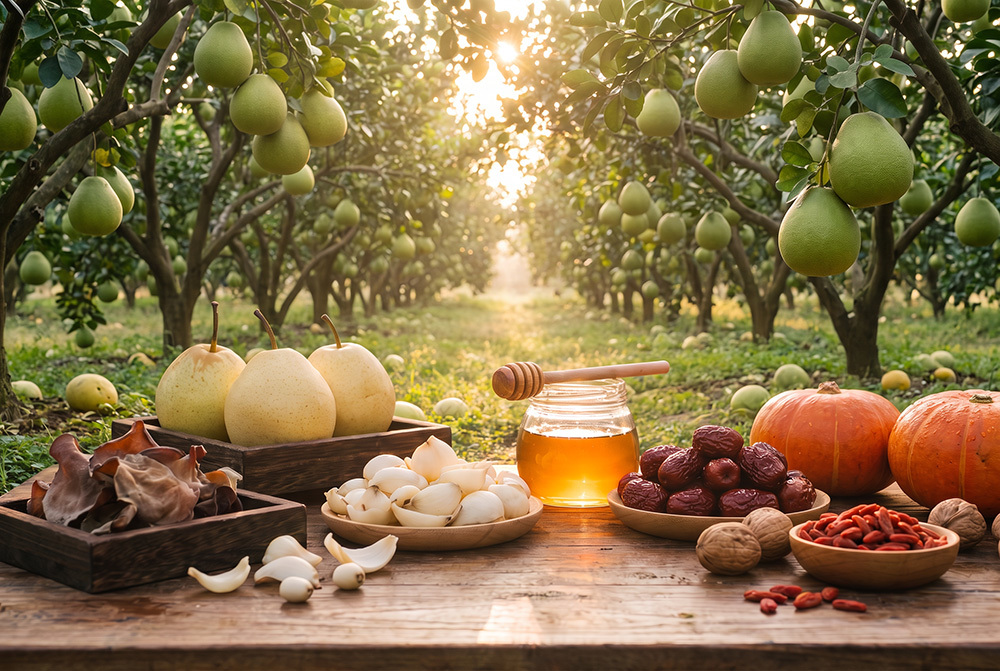
White Dew is the third solar term of autumn. Night-time temperatures fall and moisture condenses as dew; the day–night temperature gap can exceed 10°C, making this peak season for colds. Self-care should focus on moistening the lungs and nurturing the stomach: eat more moistening foods such as white fungus and Asian pears, and cut back on raw and iced foods. A folk saying, “At White Dew, don't bare your body”, reminds us to add layers in the mornings and evenings and keep the belly and ankles warm when sleeping. In the fields, the second rice crop in central and southern Taiwan is being harvested and fruit trees such as pomelos are entering the early part of their season — the autumn harvest is in full swing.
|
|
|
|
|
When glaciers collapse: a climate warning from the Nepal–Tibet border
|
|
|
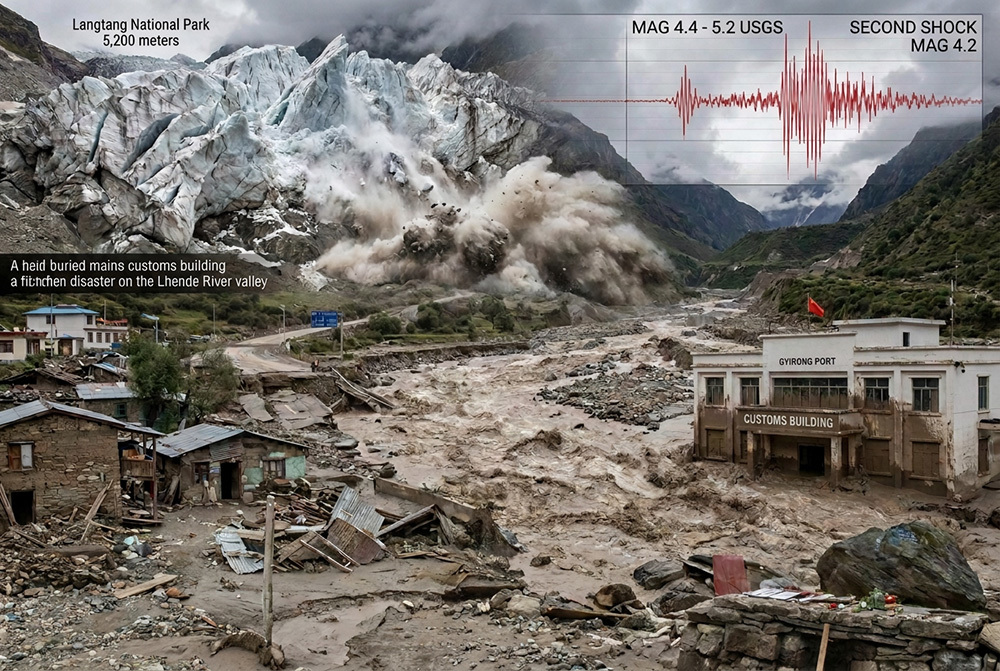
On 26 August a section of glacier in the Himalayas collapsed, unleashing a torrent that surged nearly 100 kilometres; trade and pilgrimage routes through the Gyirong port were cut off in an instant, and the numbers of dead and missing keep rising. Even more alarming, a similar outburst had occurred at the same place 14 months earlier, and scientists issued warnings at the time, but these were never really acted on. Starting from a distant disaster, this article draws on the geological lesson of the destruction of Xiaolin Village in Taiwan in 2009, showing that climate risk knows no borders. It ends by discussing business continuity through IFRS S1 and S2: when warnings are ignored, the price is paid not only in financial statements, but by everyone who depends on a company for their livelihood.
|
|
|
A weeding crusade across time and space:
satoyama ESG sustainability from Noto to Hualien and Taitung
|
|
|
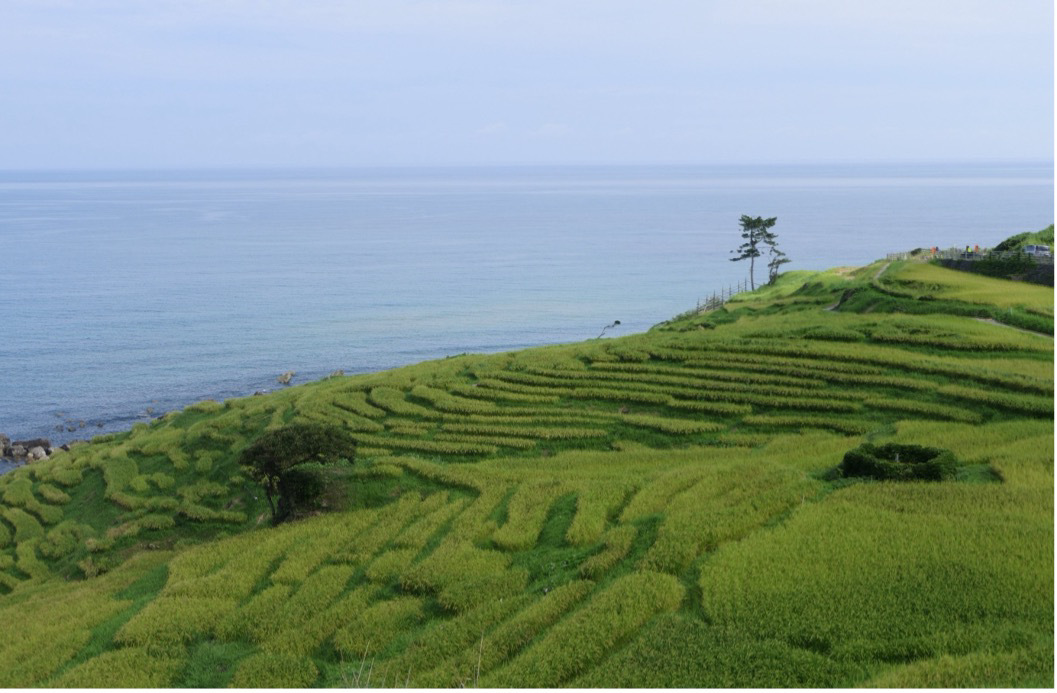
In 1974 a group of university students in Toyama Prefecture, Japan, began replacing herbicides with human labour, launching a “weeding crusade” that lasted 43 years. Half a century later, that spirit has reawakened at the Senmaida terraces on the Noto Peninsula: after the 2024 earthquake, the Aikōkai society joined a Taiwan-led carbon farming project, and in 2025 stopped using herbicides altogether, inviting companies to sponsor weeding volunteers. This commitment to “protecting the land with our own hands” echoes, across the sea, the Small Farmers' Carbon Farming Project in Taiwan in Changliang Village, Hualien. This article also publishes for the first time the five-tier impact indicator cards of the “ESG Green Shinkansen”, spreading from ESG smallholders all the way to the supply chain, showing companies how to turn inspiration into a manageable sustainable investment strategy.
|
|
Openness and transparency are the best disinfectant
|
|
|
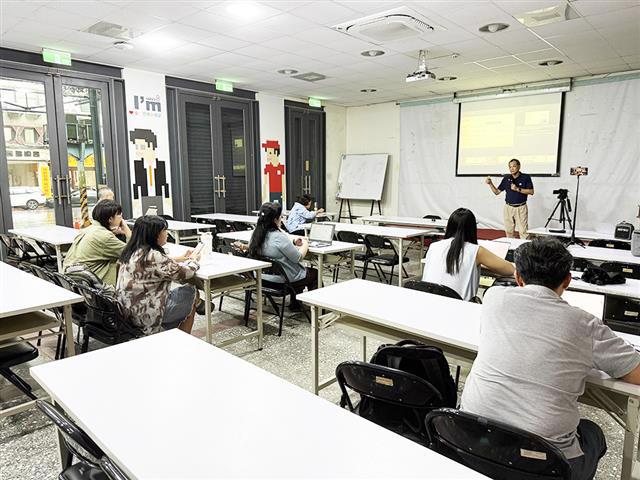
“Today's meeting is being livestreamed. I won't delete it, and I take full responsibility for everything I say.” On 3 September, the GS11818/GS23490 smallholder carbon farming projects held a stakeholder consultation meeting at NGO House in Taipei; nine people braved the weather to attend, and 31 joined online. Project head Jay Fang pledged that when consumers pay 100 dollars, 70 dollars will go into smallholders' pockets. The article also records a moving episode — how, after Dr. Hung Chien-che, head of the original testing laboratory, was injured during disaster relief and died of cancer, the team carried on to complete the sampling work — and the five hot topics raised at the meeting, from where the buyers are and concerns about carbon leakage, to why the projects chose international certification rather than domestic carbon credits.
|
|
While others cut budgets, we build assets
|
|
|
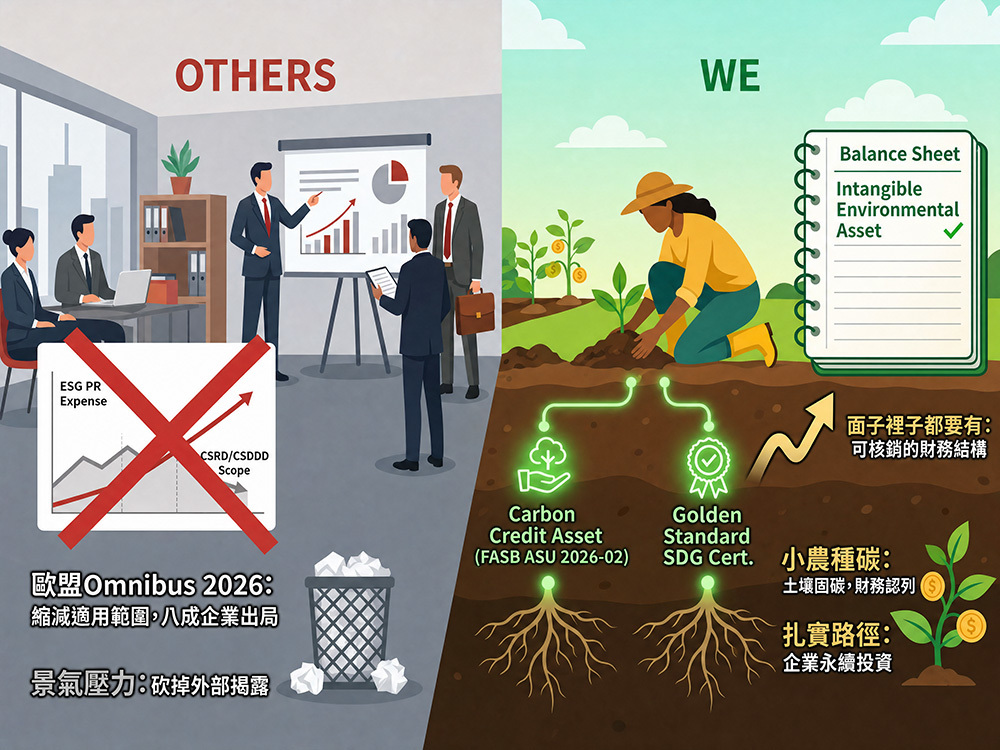
When “doing ESG” becomes a PR expense companies can cut at any time, the carbon actually sequestered in soil, can take a more solid path. In February 2026, the EU sharply narrowed the scope of the CSRD and CSDDD, with even the birthplace of double materiality in retreat; but in May of the same year, the US FASB issued the first-ever standard for recognising environmental credits on the balance sheet, giving carbon credits their first chance to become visible assets in financial statements. This article goes on to set out the materiality pathway of the “ESG Green Shinkansen” — from the food chain to the supply chain, and on to the sustainability value chain, explaining how a company can make the case for one carbon farming investment, to both its finance and sustainability departments.
|
|
Carbon fees are here: who can really share the money with farmers?
|
|
|
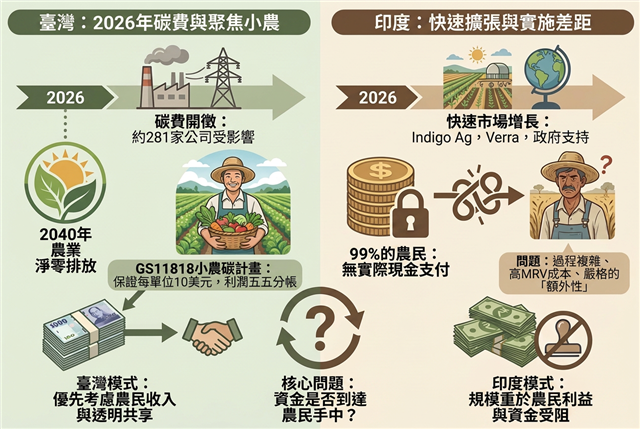
2026 is the first year Taiwan's carbon fees are formally levied, affecting about 281 companies and 500 emission sources. Internationally, India is where the agricultural carbon credit market is expanding fastest — Grow Indigo's first carbon credits have been issued, and the state has budgeted 2 trillion rupees in support, yet research at the same time found, that nearly 99% of Indian farmers taking part in carbon sink projects, have never actually received a cash payment. By contrast, the GS11818 smallholder carbon farming project sets a guaranteed purchase price of US$10 per unit, with a 50/50 revenue share with farming households. This article compares the two models, and poses the question running through the whole issue: now that companies are finally willing to pay for agricultural carbon sinks, does the money actually reach farmers?
|
|
|
|
|
|
Eco-affinity Inc. is a for-profit company set up following the Green Consumers' Foundation's advocacy for environmental, agricultural and food safety. It developed the MiHuMiSang app and runs international voluntary emission-reduction projects, helping smallholders obtain international carbon credit certification and put the Sustainable Development Goals into practice.
|
|
|
|
|
|
|
Follow us: website / YouTube / Facebook >>>
|
|
|
|
|
|
|
Share this issue with your friends >>>
|
|
|
|
|
|
|
|
|
 努力小農