種碳節氣文摘 Carbon Farming Seasonal Digest | 白露號 | 2026.9.7 | 第6期
|
|
|
|
Carbon Farming Seasonal Digest
種碳節氣文摘
|
|
|
|
2026 白露號
2026 年 9 月 7 日 · 第6期
White Dew 7 September · No. 6
|
|
|
【發行人的話】 Publisher’s Note
白露,是秋天真正開始的訊號。「白露秋分夜,一夜冷一夜」,清晨的草葉上開始凝結露珠,酷暑總算要告一段落。但這幾年,這句老祖宗的節氣智慧越來越難準確對應現實——秋颱一個接一個,甚至出現12月的冬颱,原本該進入涼爽尾聲的季節,反而還在跟極端天氣拉鋸。這正是氣候變遷最直接的證據:節氣是老天爺按著地球公轉走的規律,但當這個規律開始鬆動,受影響最直接的,就是靠天吃飯的農業。
對種碳專案而言,白露卻是關鍵的行動時刻。稻作陸續收割後,農地進入短暫的休耕空檔——這正是種植覆蓋作物、啟動土壤修復的黃金時間。與其讓土壤裸露、任憑白露之後漸涼漸乾的空氣把僅存的有機質一點一滴蒸散流失,不如趁這個節氣種下覆蓋作物,讓根系持續固碳、保護土壤結構,為接下來的秋冬季節打好底子。
本期文摘,我們從喜馬拉雅山區的冰川崩塌災難開場,提醒氣候風險不分國界;接著帶你走進日本能登千枚田與花東長良里的小農故事,並首次公開「ESG綠色新幹線」五層影響力關鍵指標;深入9月3日利害關係人諮詢會議現場,直擊農民最關心的提問;最後從歐盟法規退縮與美國新會計準則,談重大性如何從食物鏈一路擴散到企業的永續價值鏈,並對照印度碳權市場的教訓。
方儉
天地和氣股份有限公司 負責人
|
|
Bai Lu, or White Dew, marks the true beginning of autumn on the traditional Chinese solar calendar. An old farming proverb says each night after this point grows colder than the last, as dew begins to form on the grass and the worst of summer's heat finally breaks. But in recent years, this ancestral wisdom has grown harder to trust. Autumn typhoons now arrive one after another, and some years even bring a typhoon as late as December — a season that should be settling into cool stability instead locked in an ongoing tug-of-war with extreme weather. This is climate change made visible: the solar terms track the Earth's steady orbital rhythm, and when that rhythm starts to slip, agriculture — which depends on it most directly — feels the impact first.
For carbon farming, though, Bai Lu is a moment of action rather than just observation. As rice harvests wrap up across Taiwan, fields enter a brief fallow window — the ideal time to sow cover crops and begin restoring the soil. Rather than leaving the ground bare as the air turns cooler and drier after White Dew, letting what little organic matter remains evaporate away, farmers use this window to plant cover crops whose roots keep sequestering carbon and holding the soil structure together, laying the groundwork for the autumn and winter ahead.
This issue opens with the glacier collapse disaster in the Himalayas, a reminder that climate risk knows no borders. From there, we travel to Noto's terraced rice fields and Hualien's Changliang Village, unveiling for the first time our "Green Shinkansen" Five-Layer Impact framework. We take you inside the September 3rd stakeholder consultation meeting, capturing farmers' most pressing questions firsthand. And we close by tracing how materiality ripples from the food chain outward to the corporate sustainability value chain — set against the EU's regulatory retreat, new U.S. accounting standards, and hard lessons from India's carbon market.
Sincerely,
Person in charge:Jay Fang
CEO,Eco-Affinity Inc.
|
|
|
|
As autumn deepens, it's time to start 'nourishing' sooner or later
|
|
|
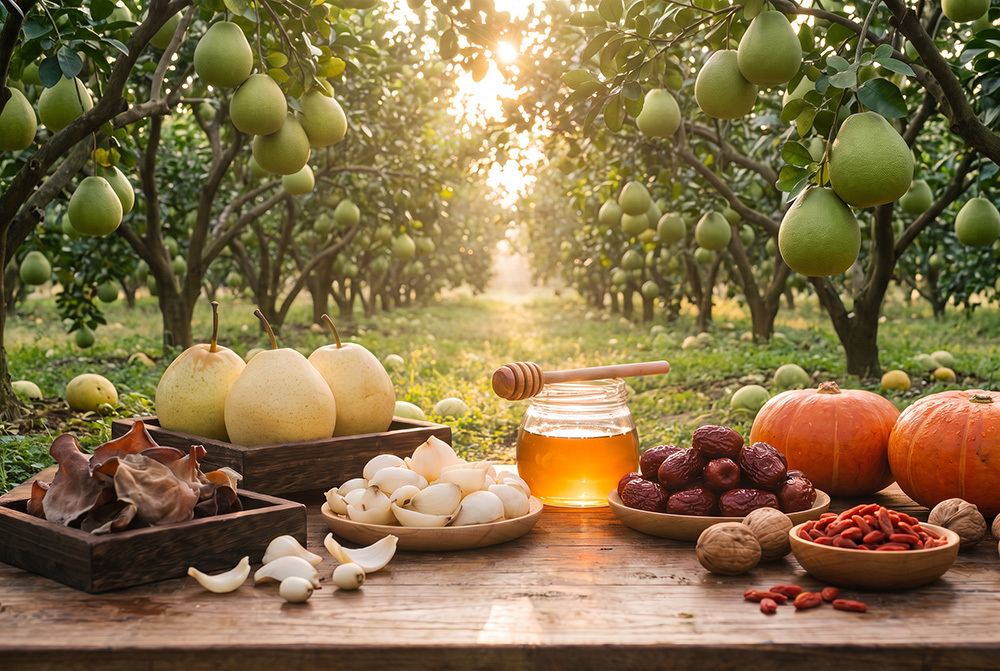
白露,是秋天的第三個節氣。此時夜間氣溫下降,水氣凝結成露,早晚溫差可達10度以上,是換季感冒的高峰期。養生宜潤肺養胃,多吃白木耳、水梨等潤燥食材,生冷冰品則要節制;民間有「白露身不露」之說,提醒早晚添衣保暖,睡覺也要護好肚子與腳踝。田間中南部二期稻作陸續收割,柚子等果樹正值產季前期,是秋收全面展開的時刻。
|
|
White Dew, the third autumn solar term. Nighttime temperatures drop and moisture condenses into dew, with day-night swings exceeding 10°C — peak season for seasonal colds. Nourish the lungs and stomach: favor moistening foods like white fungus and pear, and cut back on cold or icy items. A folk saying warns "don't bare your body at Bailu," so dress warmly, especially covering the belly and ankles at night. In the fields, second-crop rice harvests across central and southern Taiwan, and pomelo season is getting underway — autumn harvest is now in full swing.
|
|
|
|
|
當冰川崩落:尼泊爾—西藏邊境的氣候警訊
When a Glacier Falls: A Climate Warning from the Nepal–Tibet Border
|
|
|
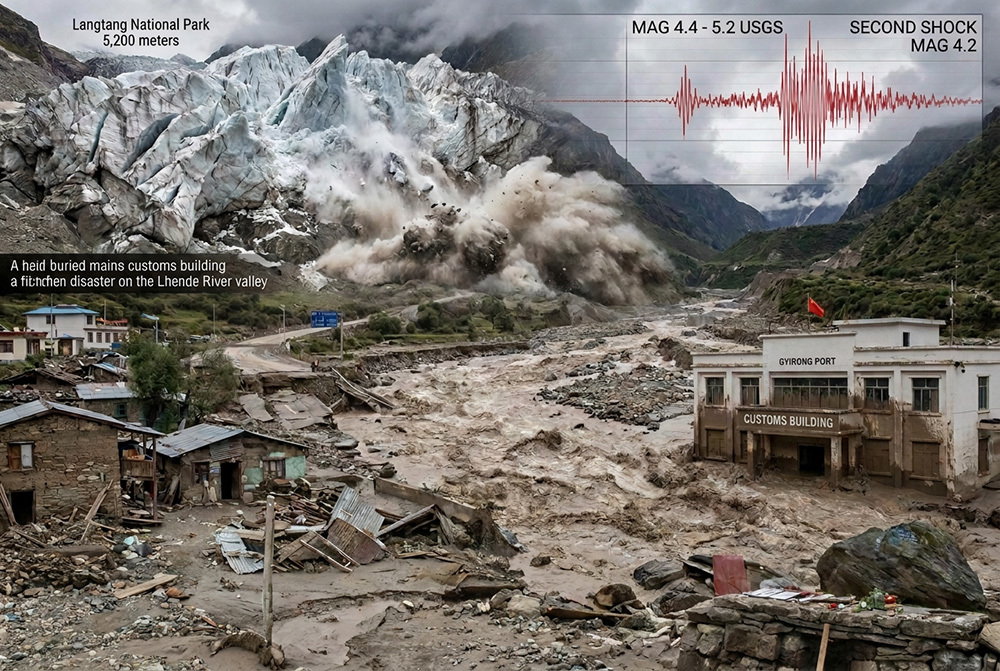
8月26日,喜馬拉雅山一段冰川崩落,引發洪流奔騰近百公里,吉隆口岸的貿易與朝聖路線瞬間中斷,罹難與失蹤人數持續攀升。更令人心驚的是,14個月前同一地點已發生過類似潰決,科學家當時就發出警告,卻未被真正落實。這篇文章從一場遙遠的天災出發,對照2009年台灣小林村滅村的地質教訓,說明氣候風險從不分國界。文末進一步從IFRS S1、S2談企業永續經營:當警訊被忽視,付出代價的不只是財報,而是仰賴企業維生的每一個人。
|
|
|
On August 26, a glacier collapse in the Himalayas unleashed a flood that traveled nearly 100 kilometers, severing the Gyirong trade and pilgrimage route between Nepal and Tibet. Casualties and missing-person counts continue to climb. What makes this story especially sobering: the same location suffered a smaller glacial lake outburst flood just 14 months earlier, and scientists explicitly warned of recurrence — a warning that went largely unheeded. This piece draws a direct parallel to Taiwan's own 2009 Xiaolin Village disaster, where a dip-slope mountain collapse buried 462 people, showing that structural climate risk respects no borders. It closes with a hard-nosed case for business continuity through the lens of IFRS S1 and S2: when known risks go unaddressed, the cost isn't just a line on a balance sheet — it's paid by everyone who depends on that business to survive.
|
|
跨越時空的草刈十字軍:
從能登到花東的里山ESG永續
A Weeding Crusade Across Time: From Noto to Hualien–Taitung's Satoyama ESG
|
|
|
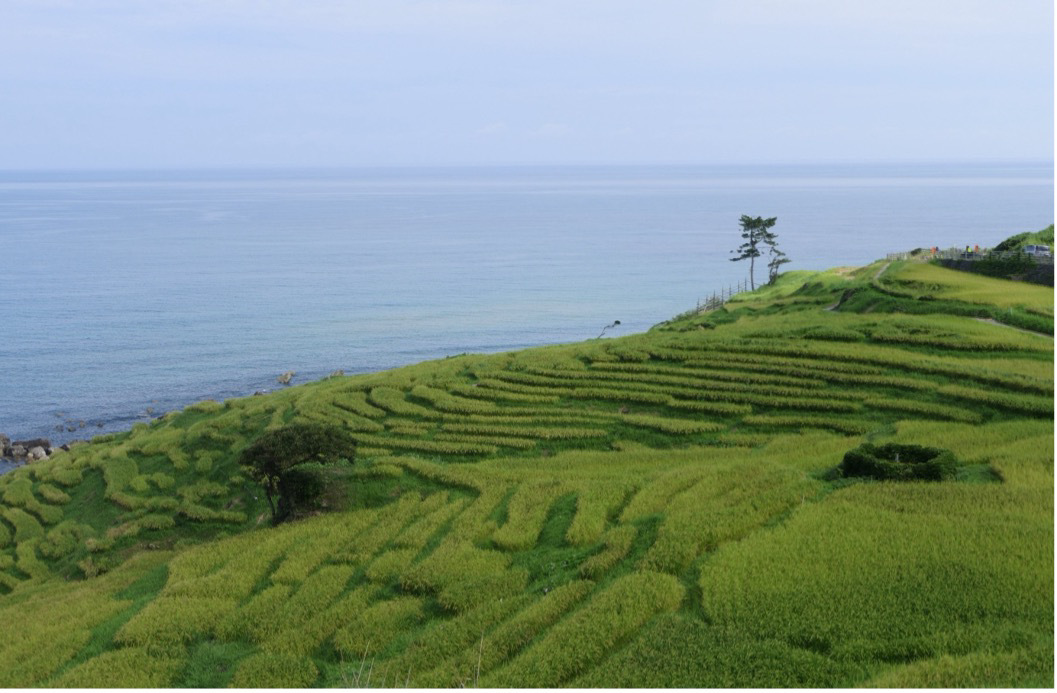
1974年,日本富山縣一群大學生以人力代替除草劑,展開長達43年的「草刈十字軍」。半世紀後,這股精神在能登半島千枚田重新甦醒:2024年地震後,愛耕會加入台灣主導的種碳專案,2025年更全面停用除草劑,邀請企業贊助拔草志工。這份「用雙手守護土地」的心意,遙遙呼應花蓮長良里的台灣小農種碳專案。本篇並首度公開「ESG綠色新幹線」五層影響力關鍵指標圖卡,從ESG小農一路擴散到供應鏈,教企業如何把感動化為可管理的永續投資策略。
|
|
In 1974, a group of university students in Japan's Toyama Prefecture began hand-weeding forests instead of using herbicides — a "Weeding Crusade" that lasted 43 years. Half a century later, that same spirit has been reborn on Noto Peninsula's terraced rice fields: after the 2024 earthquake, local farmers joined Taiwan's carbon-farming project, and by 2025 had stopped using herbicides entirely, inviting corporate sponsors to fund volunteer weeders. That same hands-on devotion to the land echoes in Hualien's Changliang Village, home to Taiwan's own carbon-farming project. This issue also unveils, for the first time, our "Green Shinkansen" Five-Layer Impact framework — a concrete map showing how impact ripples outward from ESG smallholder farmers to corporate procurement, employee engagement, and ultimately the supply chain, turning a moving story into an investable sustainability strategy.
|
|
公開透明,才是最好的防腐劑
Openness and transparency are the best preservative
|
|
|
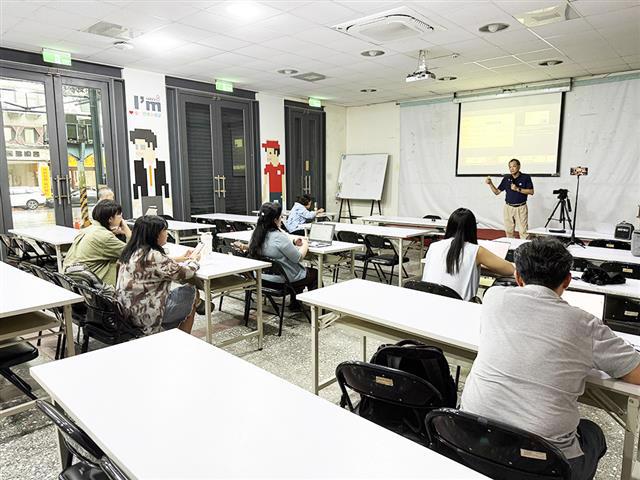
「今天的會議會直播出去,我不會刪除,對我講的話全部負責。」9月3日,GS11818/GS23490小農種碳專案在台北NGO會館召開利害關係人諮詢會議,9位夥伴風雨無阻到場,31位線上參與。專案負責人方儉承諾:消費者付出100元,將有70元進到小農口袋。文章也記錄了一段令人動容的插曲——原檢測實驗室負責人洪健哲博士因救災受傷、罹癌辭世,團隊如何接力完成採樣工作;以及現場五大熱議焦點,從買家在哪裡、碳洩漏疑慮,到為何選擇國際認證而非國內碳權。
|
|
"Today's meeting will be livestreamed. I won't delete it. I take full responsibility for everything I say." On September 3rd, the GS11818/GS23490 carbon-farming project held its stakeholder consultation meeting in Taipei — 9 attendees braved heavy rain to show up in person, joined by 31 more online. Project lead Fang Jian made a striking public commitment: of every NT$100 a consumer pays, NT$70 goes directly to the farmer. The piece also recounts a deeply moving thread — how the project's original soil-testing lead, Dr. Hung Chien-che, passed away from leukemia after being injured during disaster relief work, and how the team carried the sampling program forward in his absence. It closes with the five sharpest questions raised on the floor, from "where are the buyers" to leakage risk and why the project pursues international certification over Taiwan's domestic carbon credit scheme.
|
|
別人在刪預算,我們在造資產
While Others Cut Budgets, We're Building Assets
|
|
|
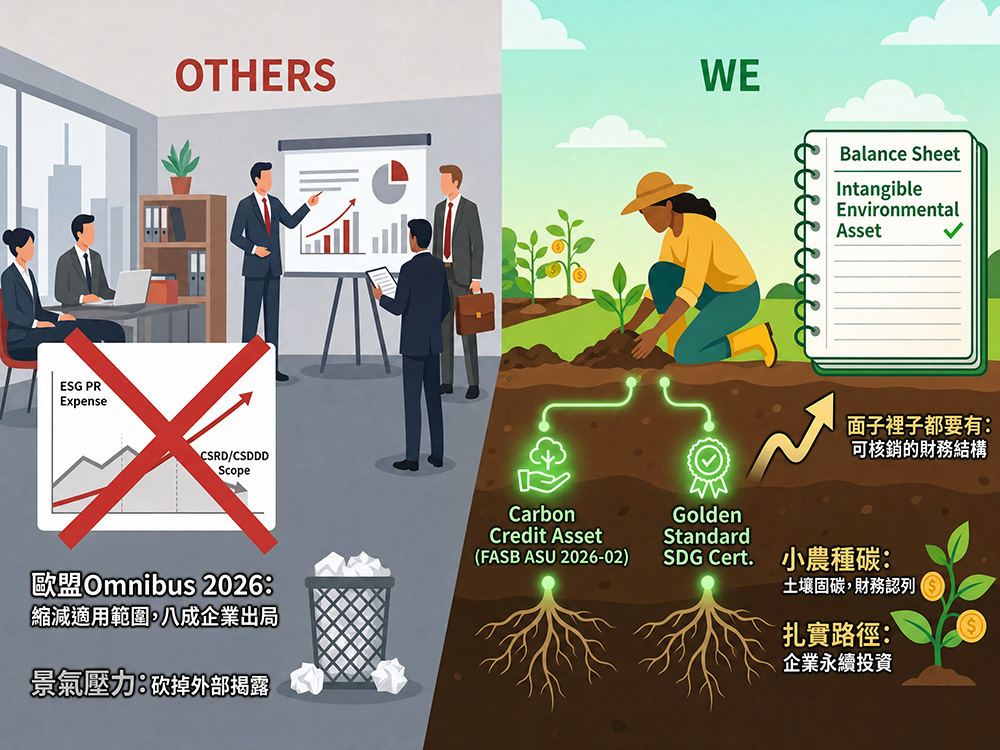
當「做ESG」變成企業眼中隨時可以砍的公關費用,土壤裡真正發生的固碳,其實可以走一條更扎實的路。2026年2月,歐盟大幅縮減CSRD與CSDDD適用範圍,連雙重重大性的發源地都在退縮;但同年5月,美國FASB發布史上第一套環境信用資產負債表認列準則,讓碳權首次有機會成為財報上看得到的資產。本篇進一步展開「ESG綠色新幹線」的重大性擴散路徑——從食物鏈,到供應鏈,再到永續價值鏈,說明企業如何把一筆種碳投資,同時說服財務部門與永續部門。
|
|
When ESG becomes just another PR budget line — the first thing cut in hard times — the carbon actually sequestered in the soil can still take a sturdier path. In February 2026, the EU sharply narrowed the scope of the CSRD and CSDDD, with even the birthplace of double materiality retreating under economic pressure. Yet that same May, the U.S. FASB issued the first-ever accounting standard for recognizing environmental credits on the balance sheet — giving carbon credits a real shot at becoming a reportable financial asset rather than just a feel-good story. This piece maps out the full journey of materiality along the "Green Shinkansen" — from the food chain, through the supply chain, to the sustainable value chain — showing how a single investment in carbon farming can speak convincingly to both the finance team and the sustainability team at once.
|
|
碳費上路,誰能真正把錢分給農民
As Taiwan's Carbon Fee Begins, Who Actually Shares the Money with Farmers
|
|
|
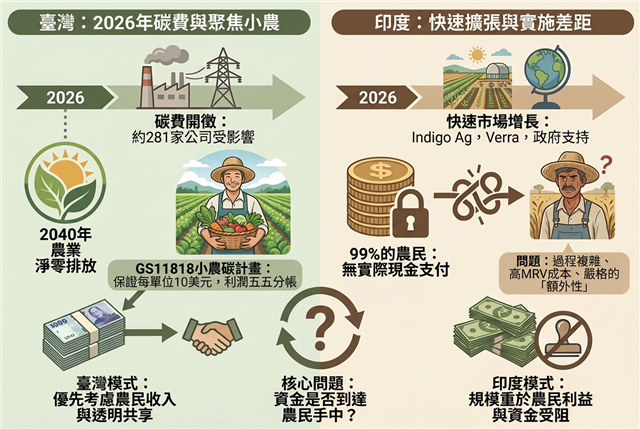
2026年是台灣碳費正式開徵的第一年,約281家企業、500個排放源受影響。放眼國際,印度是農業碳權市場擴張最快的地方——Grow Indigo首批碳權已發放,國家更編列2萬億盧比支持計畫,但同時間的研究卻發現,近99%參與碳匯專案的印度農民,從未實際拿到現金給付。相較之下,GS11818小農種碳計畫明訂10美元/單位保證收購價,與農戶50/50分潤。本篇對照兩種模式,並提出貫穿全期的追問:當企業終於願意為農業碳匯付錢,錢究竟有沒有真正到農民手上?
|
|
2026 marks the first year Taiwan's carbon fee is actually enforced, affecting roughly 281 companies and 500 emission sources. Internationally, India has seen the fastest scale-up in agricultural carbon markets — Grow Indigo has issued its first credits, and the national government has created a ₹20,000 crore support scheme — yet research from the same period found that nearly 99% of Indian farmers enrolled in carbon projects have never actually received a cash payout. By contrast, Taiwan's GS11818 project guarantees a fixed purchase price of US$10 per unit and a 50/50 profit split with farmers. This piece sets the two models side by side and poses the question that runs through this entire issue: when companies finally pay for agricultural carbon, does the money actually reach the farmers?
|
|
|
|
|
|
天地和氣股份有限公司是因綠色消費者基金會倡議環安、農安、食安而設立的營利機構,開發「努力小農 App」,並從事國際自願性減碳專案,幫助小農取得國際碳權認證,實踐永續發展目標。
Eco-Affinity Inc. is a for-profit enterprise established in response to the Green Consumers' Foundation's advocacy for environmental, agricultural, and food safety. The company developed the "Mihumisang App" and engages in international voluntary carbon reduction projects, helping small farmers obtain international carbon credit certification and realize sustainable development goals.
|
|
|
|
|
|
|
歡迎加入我們 官網 / YouTube / FB >>>
|
|
|
|
|
|
|
|
 | |
|
|
|
|
|
|