Carbon Farming Seasonal Digest Major Heat issue | 2026.7.23 | No. 3
|
|
|
|
Carbon Farming Seasonal Digest
|
|
|
|
Major Heat 2026
23 July 2026 · No. 3
|
|
|
Theme of this issue: the sustainable farmscape
|
|
|
- 03 Knowledge corner
The governance gap revealed by a drop of oil: why the “G” in ESG is fundamental
- 04 Climate outlook
A super El Niño is coming — how did we get lucky? 2026's climate warnings and Taiwan's nature-based solutions
- 06 Corporate action
From the UN-backed 4 per 1000 Initiative to Taiwan's smallholders: how carbon farming becomes a genuine highlight of corporate ESG
|
|
|
|
How should the body get through the hottest solar term?
|
|
|
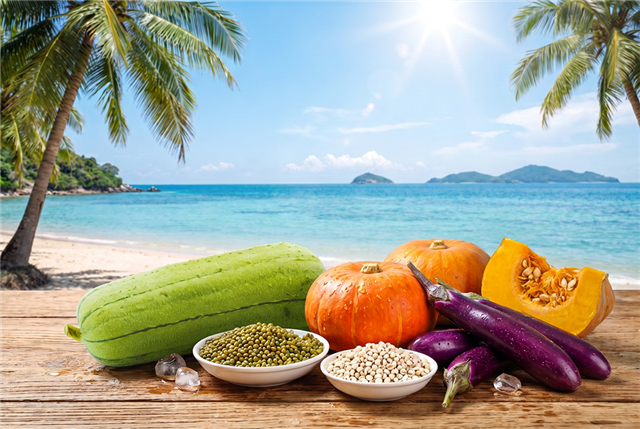
Major Heat falls on 23 July in 2026 and is the hottest solar term of the year. Chinese medicine advises light, easily digested food: plenty of seasonal vegetables such as loofah, pumpkin and aubergine, with mung beans and Job's tears made into soups that cool and dispel damp; melons clear heat and damp and are light and tasty — the first choice for beating the heat. Don't skimp on protein: neutral-to-cooling meats such as chicken, duck and lean pork replace the energy lost to faster summer metabolism. As for daily habits, going to bed and rising early, avoiding the midday sun, drinking plenty of water and resisting iced drinks are the basics for getting safely through Major Heat.
|
|
|
|
|
|
How Chishang's farmscape initiative began
|
|
|
An interview with Hsiao Jen-yi, honorary chair of the Wan'an Community Development Association, Chishang –
22 years after refusing utility poles, the community is moving towards a net-zero, sustainable future
|
|
|
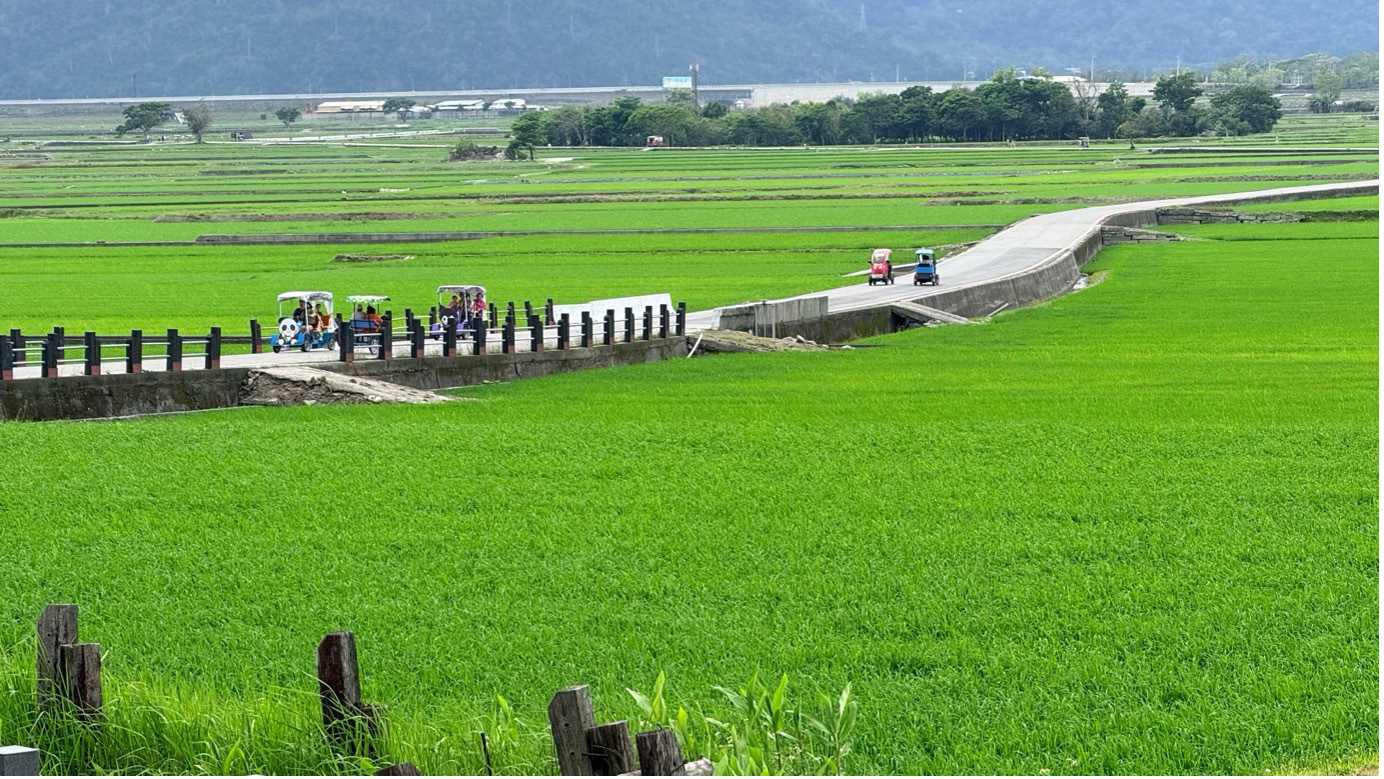
Wan'an is Chishang's smallest village, yet it has the largest organic farming area in Chishang. Hit by WTO accession in 1995, the villagers switched to organic farming together, and over thirty years turned conventional fields into today's rice landscape with “not a single utility pole”. Hsiao Jen-yi is one of the key drivers of this landscape revolution — walking the fields, letting in water, weeding and picking off pests every day, keeping organic discipline through hard, old-fashioned work. He and Wan'an's farmers prove that a sustainable farmscape is not scenery designed on paper but the sum of day-to-day farming: when the soil is nourished and the waterways are in order, the landscape becomes beautiful by itself. That is the shared logic of carbon farming and sustainable agriculture — take good care of the land first, and carbon sinks and beautiful scenery follow as its fruits.
|
|
|
|
|
The governance gap revealed by a drop of oil: why the “G” in ESG is fundamental
|
|
|
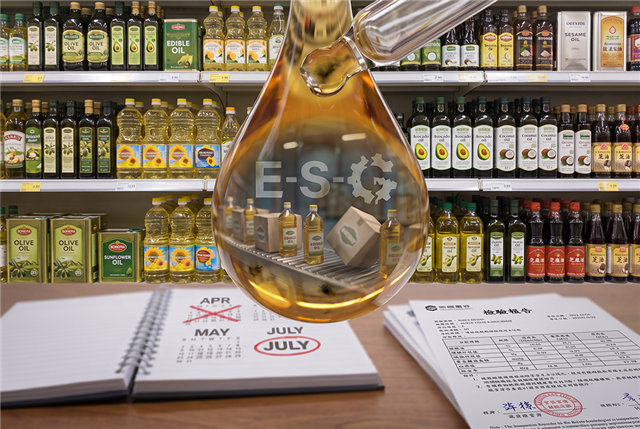
This July Taiwan saw its biggest edible-oil food-safety scandal in a decade: more than 1,300 tonnes of Chung Lien soybean salad oil contained benzo[a]pyrene (a Group 1 carcinogen) at four times the limit. It flowed to downstream companies such as Taisun, Fwusow and Formosa Oilseed, affecting more than a thousand businesses and over 440 products, from star-rated hotels to convenience-store shelves. More troubling still, downstream companies had discovered the problem in April, but it took two more months before the authorities were notified.
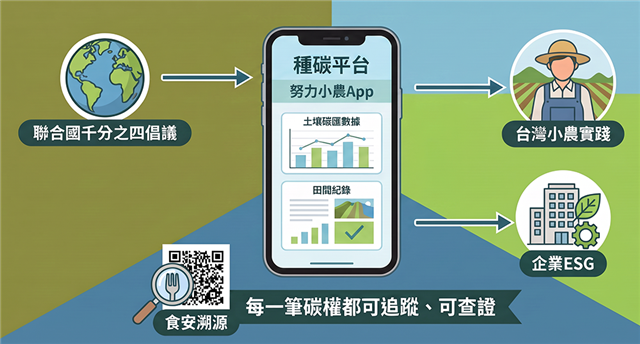
This is the most underestimated yet most lethal part of ESG: the “G” for governance. Without governance, E (environment) and S (social) are just slogans: supply-chain traceability exists only on paper, and when something goes wrong a company can only pull products, apologise and compensate — while employees and consumers have already borne the health risk. For companies, being able to explain where their raw materials come from is not a bonus point; it is the most basic responsibility for protecting employees, a company's most important asset. The carbon farming platform believes every step of the journey from soil to table should leave a record, which is why we keep building traceability and carbon sink monitoring systems.
|
|
|
|
|
|
|
A super El Niño is coming — how did we get lucky? 2026's climate warnings and Taiwan's nature-based solutions
|
|
|
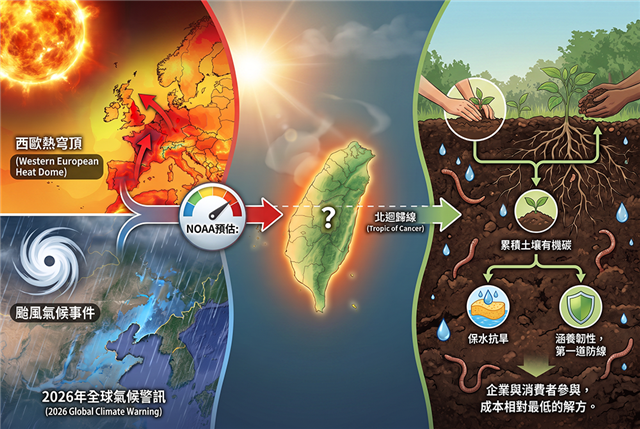
2026 is a strong El Niño year, and NOAA puts the chance of a “super El Niño” by year-end at over 60%. Since June, a record heat dome has settled over western Europe: France topped 44.3°C, more than a hundred stations in Spain exceeded 40°C, and within weeks Europe had recorded more than 1,300 heat-related excess deaths. In mid-July Typhoon Bavi lingered over land in China for over 60 hours, bringing record rain to Liaoning and Hebei (Shenyang's single-day rainfall exceeded half a year's normal rainfall), before turning to hit North Korea for the first time in years.
By comparison, Taiwan, on the Tropic of Cancer, has had a hot summer but has not yet faced a public-safety crisis on the same scale — partly through luck. But climate change will not stop because we happened to escape, and the next extreme weather event may not always veer away. Building up soil organic carbon is one of the lowest-cost nature-based solutions that companies and consumers can take part in right now: healthy soil holds water, resists drought and builds resilience — our first line of defence in putting distance between us and climate risk.
|
|
|
|
|
05 Carbon farming worldwide
|
|
|
Carbon farming around the world: key soil carbon credit developments in 2026, from Indian farmers to new EU rules
|
|
|
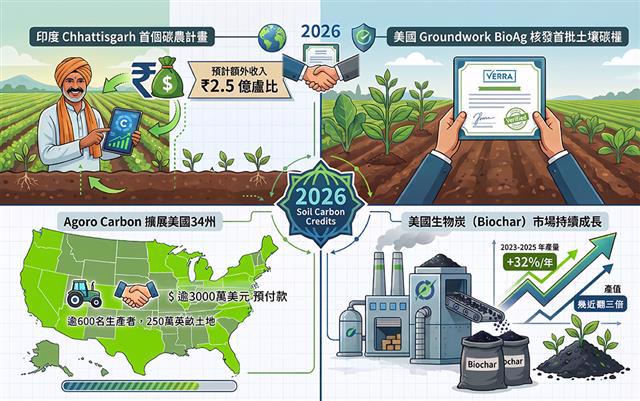
● Chhattisgarh, India, has launched its first carbon farming programme, expected to bring local farmers an extra 250 million rupees in carbon credit income.
● In the US, Groundwork BioAg issued the first soil carbon credits on US farmland under Verra's VM0042 standard — 19,568 units, verified by SCS Global Services.
● Agoro Carbon has expanded to 34 US states, more than 600 producers and 2.5 million acres, and has paid farmers more than US$30 million in advance payments.
● The US biochar market keeps growing: output rose 32% a year from 2023 to 2025, and its value nearly tripled.
|
|
|
|
|
From the UN-backed 4 per 1000 Initiative to Taiwan's smallholders: how carbon farming becomes a genuine highlight of corporate ESG
|
|
|
The food-safety scandal reminds us that traceability is not optional. The carbon farming platform keeps working with corporate partners, using the MiHuMiSang App to link field records with soil carbon sink data so that every carbon credit can be tracked and verified — our most direct response to the governance challenge.
|
|
|
|
|
07 The next step for Taiwan's agriculture: look after the land, and the table will be safe
|
|
|
From soil health and traceability records to organic and eco-friendly farming — see a safer Taiwanese agriculture together with the MiHuMiSang App.
|
|
|
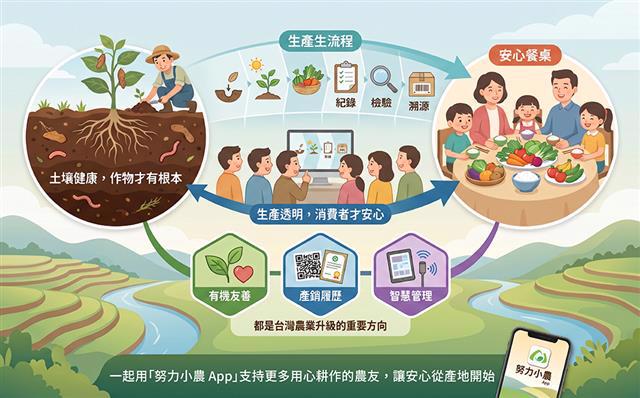
Food safety, farm safety and environmental safety are getting more attention, reminding us that truly trustworthy produce is not judged by appearance or price alone, but by checks at every step — soil, farming, records, testing and traceability.
✅ Healthy soil is the foundation of crops
✅ Transparent production gives consumers peace of mind
✅ Organic and eco-friendly farming, traceability records and smart management are key directions for upgrading Taiwan's agriculture
Supporting farmers who farm with care means supporting a safer, more sustainable Taiwanese agriculture.
📲 Use the MiHuMiSang App to discover more trustworthy farms, and let peace of mind start with the land.
|
|
|
Start of Autumn (7 August 2026): companies supporting carbon farming projects — we will share how corporate partners are working with smallholders to turn carbon sink goals into concrete action.
Previous issue: Carbon Farming Seasonal Digest No. 2, Minor Heat
|
|
|
|
Eco-affinity Inc. is a for-profit company set up following the Green Consumers' Foundation's advocacy for environmental, farm and food safety. It developed the MiHuMiSang App and runs international voluntary carbon projects that help smallholders earn internationally certified carbon credits and deliver the Sustainable Development Goals.
|
|
|
|
|
|
|
Join us: website / YouTube / FB >>>
|
|
|
|
|
|
|
Share this issue with your friends >>>
|
|
|
|
|
|
|
|
|
|
 努力小農