Carbon Farming Seasonal Digest Start of Autumn issue | 2026.8.7 | No. 4
|
|
|
|
Carbon Farming Seasonal Digest
|
|
|
|
2026 Start of Autumn issue
7 August 2026 · No. 4
|
|
|
This issue: traceability is what makes sustainability real
|
|
|
- 01 Seasonal note
》Welcome the cool and guard against autumn dryness: nourish yin and moisten the lungs
- 04 Farmer profile
》“Rice President” Chiu Chui-chang: the point of competitions is still to raise farmers' standards and incomes
|
|
|
|
[A word from the publisher]
Dear readers,
For forty years my career has been bound up with fighting fakes. In 1987, as an assistant reporter at the Min Sheng Daily, I exposed the “horse meat passed off as beef” scandal, which won the 1988 Golden Tripod Award for public service. Later I moved into global purchasing, supply-chain management and certification systems in the car industry. There, too, the global auto industry had lost faith in third-party ISO quality and environmental certification; to save itself it set up its own accreditation bodies for QS-9000 and ISO/TS 16949, bypassed the certification bodies of the IAF (International Accreditation Forum), and developed its own quality-certification system for suppliers. So I have also witnessed the enormous damage false third-party certification does to supply chains. Interestingly, the less mutual trust and the poorer the quality management, the more people trust third-party testing and certification.
In early 2020, having long observed that smallholders are the foundation of Taiwan's environment and food safety, I found that Taiwan's smallholder system was being eroded by the industrialised market: genuine smallholders no longer had a chance to survive, and so-called third-party certification and testing were tricks big companies used to push them out of the market. I resolved to serve smallholders by building a management system for authenticity and traceability (the MiHuMiSang app) that smallholders can use easily and consumers can download too, buying directly from smallholders — and, in turn, helping smallholders achieve Gold Standard international carbon credits and sustainability certification. Now we are inviting companies to join the ESG Green Shinkansen, so that smallholders and companies become partners in sustainability.
Every crisis is also an opportunity. From the recent food-safety crises to the climate disasters of El Niño, let us return to the true meaning of ESG and sustainability — and start with the basics!
Sincerely, Jay Fang, Publisher
Start of Autumn, 2026
|
|
|
|
Welcome the cool and guard against autumn dryness: nourish yin and moisten the lungs
|
|
|
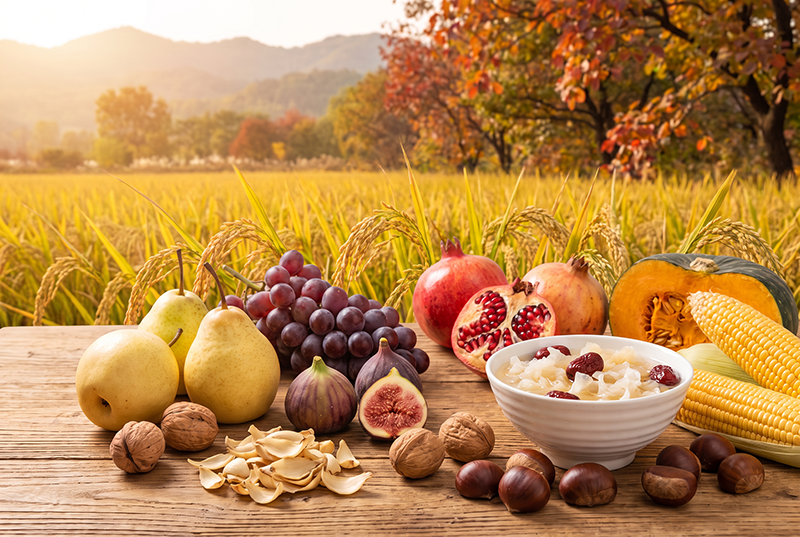
The Start of Autumn marks the beginning of the season, as summer's heat gives way to cooler days. Daytime temperatures are still high — the “autumn tiger” often bares its teeth — but the gap between day and night is widening and the air is turning from humid heat to dryness, the so-called “autumn dryness”.The key to staying healthy is “moistening dryness and guarding against the cool”:
- Diet: focus on nourishing yin and moistening the lungs. Eat more moistening foods such as Asian pears, lily bulbs and white fungus, and cut down on spicy and fried food.
- Daily life: mornings and evenings are noticeably cooler, so add layers as needed to avoid colds; get enough sleep and keep a cheerful mind, balancing body and spirit in step with the season.
|
|
|
|
|
Traceability is what makes sustainability real: how the Carbon Farming ESG Green Shinkansen rules out black boxes
|
|
|
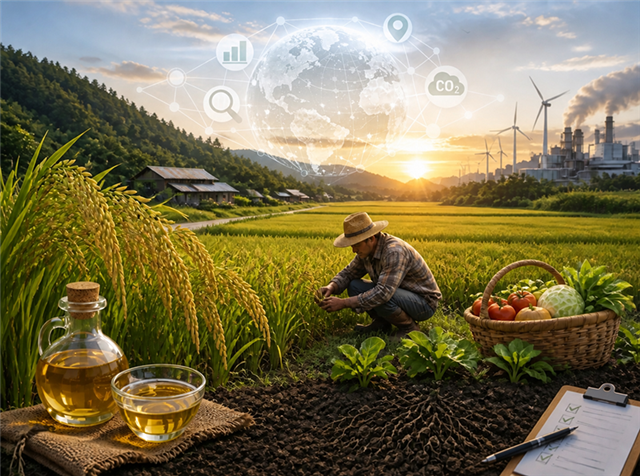
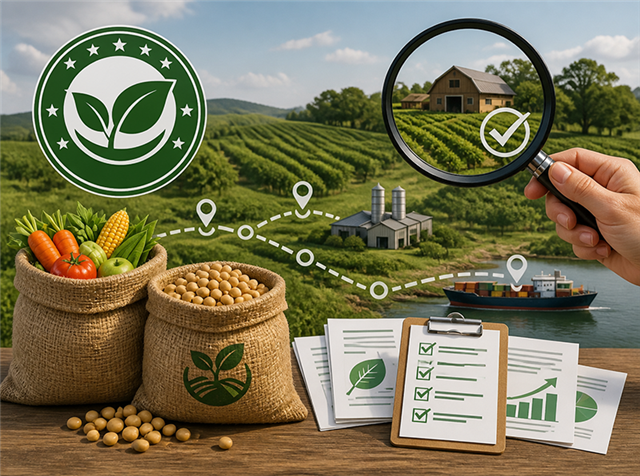
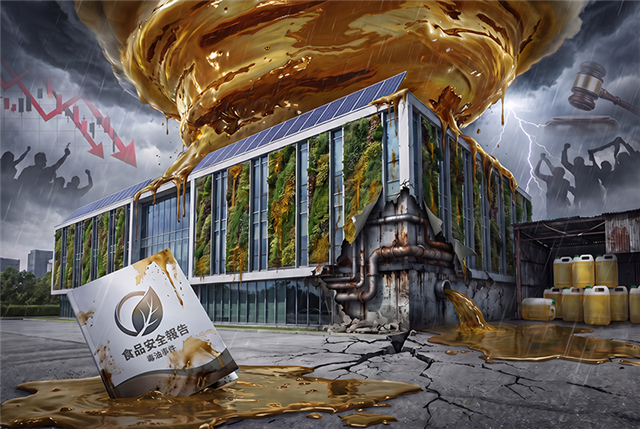
Toxic-oil storms keep recurring, and the problem is not a lack of certification but the absence of a truly verifiable data chain behind certificates. The ESG Green Shinkansen turns the relationship between companies and smallholders from “purchasing” into “investment”: companies invest in smallholders' carbon farming projects through payment-for-ecosystem-services (PES) contracts and record them on the balance sheet as climate-transition assets. Combined with a three-layer chain of evidence — international verification under Gold Standard, on-site checks by an independent due-diligence :host, and an assurance report from the company's certifying accountant — every layer leaves records open to public scrutiny. Everything is transparent: who grew it, where, how, and how soil organic carbon changed are all traceable and accountable. ESG is not cosmetics for companies; it is the most solid way to face operating risk and secure business continuity. Sustainability without traceability is just packaging.
|
|
|
CH1|ESG governance and traceability in the toxic-oil storm, series (1)
|
|
|
Two toxic-oil scandals in twelve years: from gutter oil to benzo[a]pyrene, why does Taiwan's food-safety governance keep failing?
|
|
|
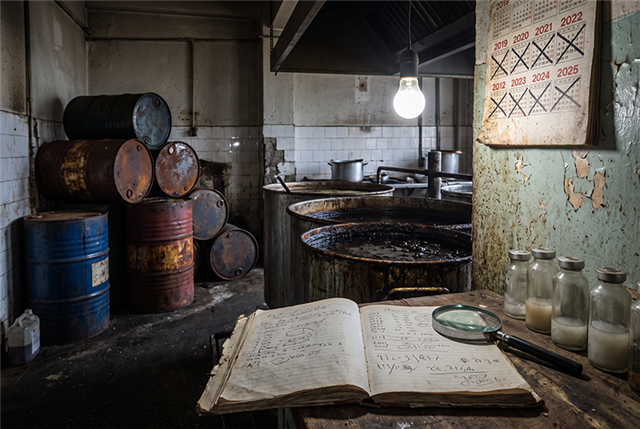
After the 2014 gutter oil scandal, the Financial Supervisory Commission required the industries concerned to publish sustainability reports with third-party assurance, hoping to plug regulatory gaps. Twelve years later the same script played out again: edible oil left the factory with benzo[a]pyrene more than four times over the limit, yet reporting was delayed by nearly three months, affecting more than a thousand downstream businesses, and the authorities imposed the largest fine in Taiwan's food-safety history. The incident exposed simultaneous failures at three critical moments — factory quality control, the reporting mechanism and timely disclosure — showing that having a system is not the same as enforcing it. Until the real source and formation mechanism of the benzo[a]pyrene are established, any discussion of amending the law is only a first step after the damage is done; the real question is where exactly the gap was closed this time.
|
|
CH2|ESG governance and traceability in the toxic-oil storm, series (2)
|
|
|
When “organic certification” is faked too: why ESG due diligence, audits and accountant assurance all failed together
|
|
|
In this food-safety storm, even oils marketed as “organic” were found with carcinogens over the limit, and investigations found that organic certification mostly verifies only that “no chemicals were added during processing”, not necessarily the true origin of raw materials. The contract manufacturer involved kept changing its account of where the raw materials came from, showing that the so-called traceability mechanism was useless when it actually needed to be tested. If any one of a company's ESG materiality assessment, third-party due diligence or accountant assurance had really held the line, such an incident should not — and could not — have happened. Taiwan does not lack certification systems; what it lacks is anyone behind the certificate who actually checks, and checks deeply enough.
|
|
CH3|ESG governance and traceability in the toxic-oil storm, series (3)
|
|
|
Fake smallholders, real fraud: who is exploiting trust in Taiwan's small farmers?
|
|
|
“Smallholder” should stand for local and genuine, yet it is being hollowed out by two forces: on one side, a farmer's photos were stolen to pass off fake products in social-media ads that stayed up for more than a month with nowhere to report them; on the other, oil companies advertised “contract farming with local smallholders” but could not produce proof of raw-material traceability. Both cases point to the same problem: when “smallholder” can be freely stolen and packaged, the farmers who truly invest in the land become the biggest victims. Only by making “who grew it, where and how” openly verifiable can fakery be exposed and genuine smallholders get the trust and market returns they deserve.
|
|
CH4|ESG governance and traceability in the toxic-oil storm, series (4)
|
|
|
ESG greenwashing risk seen through the toxic-oil storm: where did the three lines of defence in sustainability reporting fail?
|
|
|
ESG is often misunderstood as an image-building project, but this toxic-oil scandal proves that ESG is not cosmetics for companies; it is the groundwork for business continuity. The companies involved did have sustainability reports, but the most basic material issue — the authenticity of supply-chain raw materials — was not managed. Administrative charges of delayed reporting and misreported output ended in public apologies at the stock exchange, possible disputes with workers and consumers, and even criminal liability for executives. The question a sustainability report should answer has never been “what good things have we done?”, but “do we really know what is happening in our supply chain?”
|
|
CH5|ESG governance and traceability in the toxic-oil storm, series (5)
|
|
|
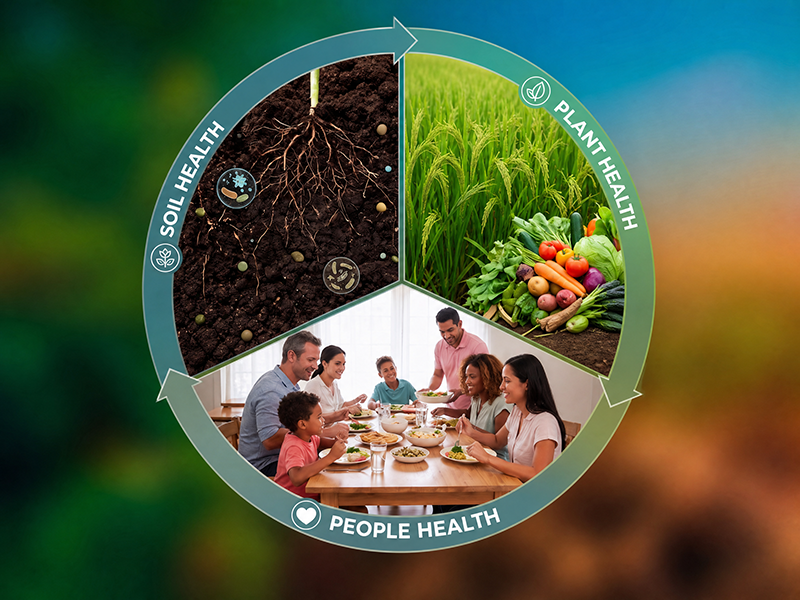
Healthy soil, healthy crops, healthy people: food safety and net zero through a One Health lens
|
|
|
Food safety, soil health and climate governance look like three things, but they are different symptoms of the same governance problem — the core idea of the FAO Global Soil Partnership and the WHO's One Health framework. The taste value of rice is positively correlated with soil organic carbon, so healthy soil bears directly on crop quality and safety. In contrast to opaque supply chains with raw materials of unknown origin, carbon farming crops take the opposite path: a single place of origin, regular soil organic carbon testing, and full records of pesticide and fertiliser use. According to the FAO, agrifood systems account for 34% of human-caused greenhouse gas emissions, 10% of which comes from wasted food — food-safety governance, soil health and decarbonisation are essentially one governance chain.
|
|
|
|
|
What is the “three-layer chain of evidence”?
|
|
|
This food-safety scandal shows that a single certificate is not enough to prove authenticity. Carbon farming stacks three layers of checks: in the first, a Gold Standard–recognised validation and verification body (VVB) verifies emission reductions under international methodologies, with data registered on the publicly searchable GS Registry; in the second, an ESG due-diligence body that charges no fees and is independent of companies and farmers confirms on site that production is genuine and that revenue shares actually reach farmers' accounts; in the third, the company's certifying accountant issues a limited or reasonable assurance report based on the first two layers, meeting IFRS S1/S2 disclosure-quality requirements. The three layers are independent and check one another; each leaves records that can withstand later scrutiny.
|
|
|
|
|
|
|
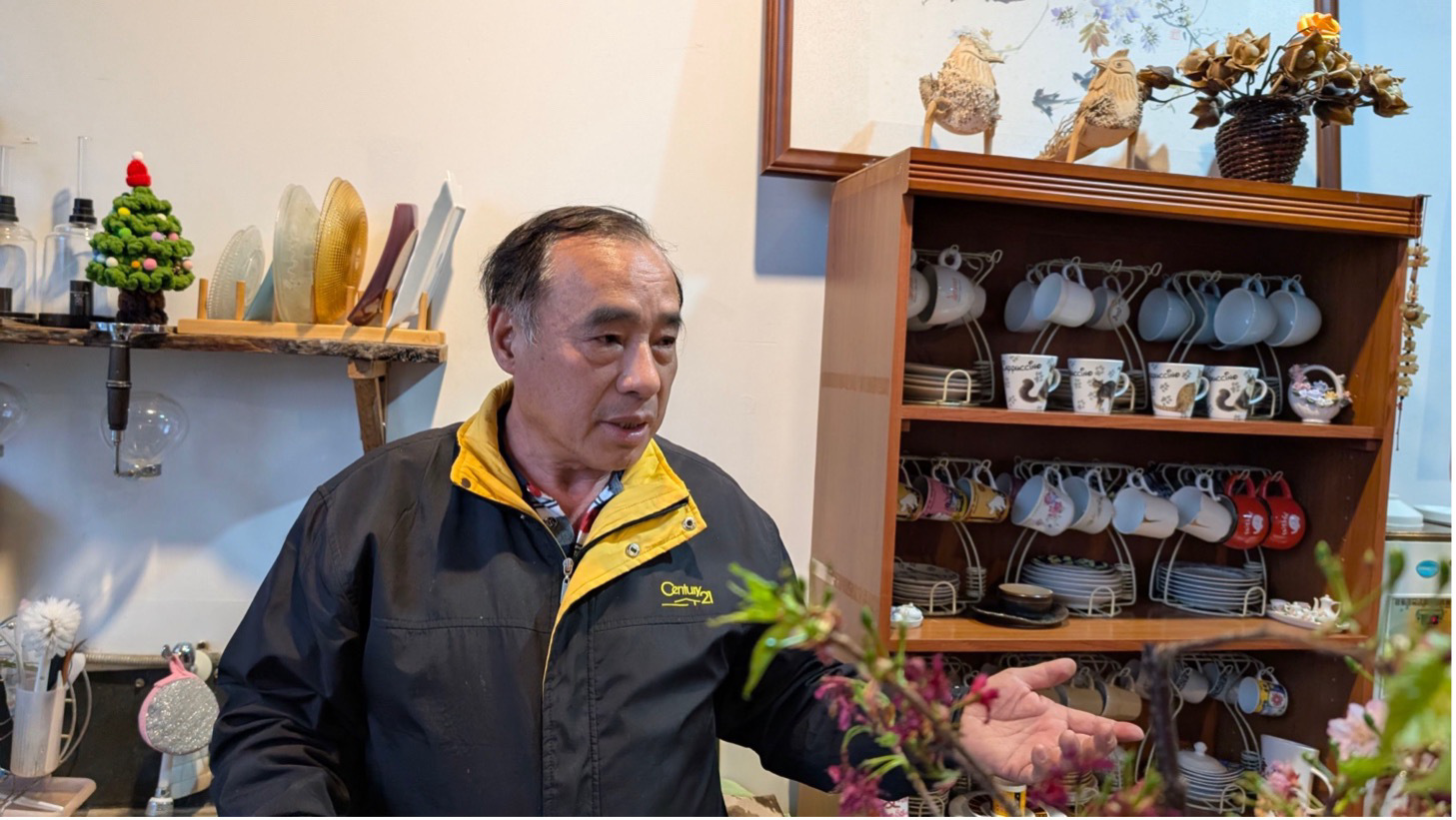
“Rice President” Chiu Chui-chang: the point of competitions is still to raise farmers' standards and incomes
|
|
|
|
Rice quality is decided in the field: the story of Chiu Chui-chang and his “President's Rice” is not just about one champion's honour, but about land, farmers' skill and the long accumulation of Taiwan's rice culture.
|
|
|
Chiu Chui-chang and his “President's Rice”, and the story of quality from field to grain. Chiu, overall champion of the first National Rice Quality Competition, believes that however competitions change, what matters in the end is farmers' skills and incomes; what truly decides rice quality is not marketing but field management, land conditions and the growing skills farmers build up over many years.
|
|
|
|
|
How to start supporting carbon farming projects
|
|
|
You don't have to do everything at once. A company can start by piloting a PES contract on 1 hectare, investing funds and gaining a complete verification chain and IFRS pilot experience. At the same time, food and farming education talks, serving local low-carbon rice in the staff canteen and inviting suppliers to co-invest can be first steps in internal promotion. Through hands-on farming, open data and gradual scaling up, sustainability investment can stand up to scrutiny instead of waiting for something to go wrong.
|
|
|
|
|
The next issue (No. 5, End of Heat, 23 August 2026) will cover the “Smallholder Carbon Farming Expert Consultation & Stakeholder Consultation Meetings”. Following the Gold Standard for the Global Goals (GS4GG) requirements for stakeholder consultation and engagement, it will show how carbon farming projects invite local communities, experts and disadvantaged groups to take part, so that project design is open, transparent and accountable from the start.
Previous issue: Carbon Farming Seasonal Digest No. 3 [Major Heat issue]
|
|
|
|
Eco-affinity Inc. is a for-profit company set up following the Green Consumers' Foundation's advocacy for environmental, agricultural and food safety. It developed the MiHuMiSang app and runs international voluntary emission-reduction projects, helping smallholders obtain international carbon credit certification and put the Sustainable Development Goals into practice.
|
|
|
|
|
|
|
Follow us: website / YouTube / Facebook >>>
|
|
|
|
|
|
|
Share this issue with your friends >>>
|
|
|
|
|
|
|
|
|
 努力小農